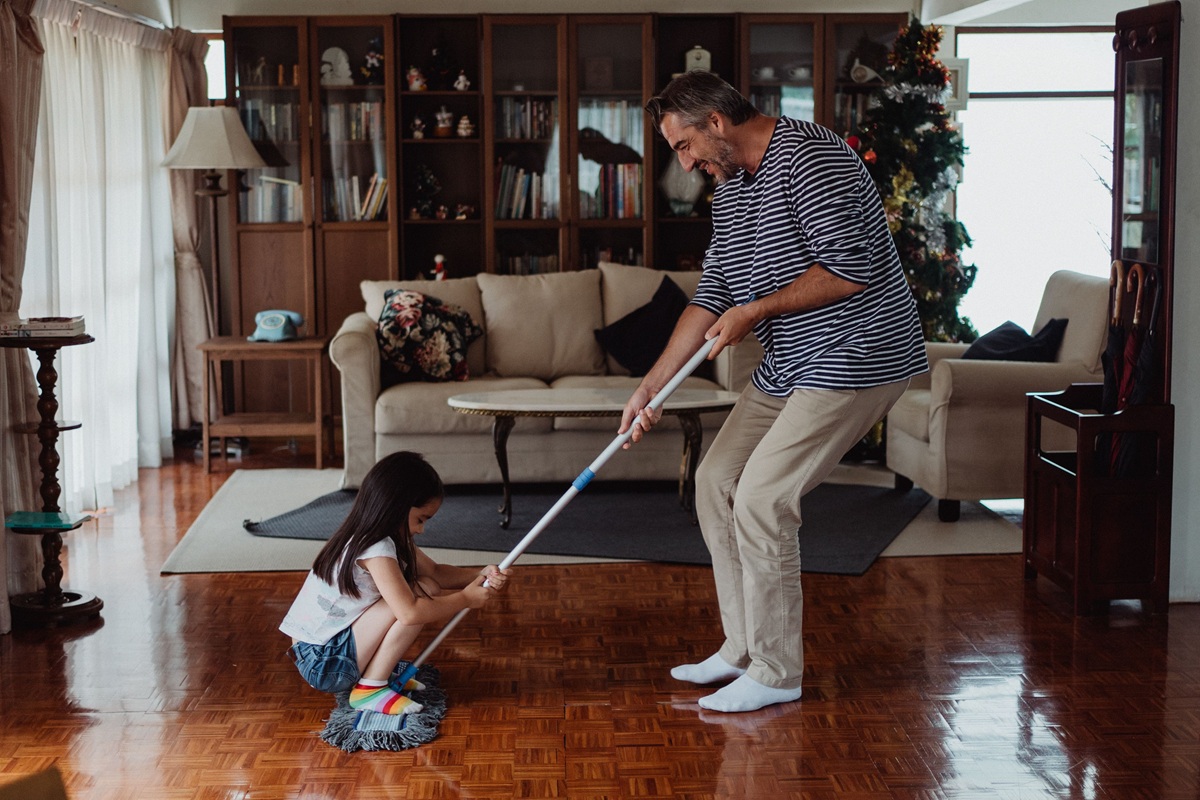
How to Teach Kids to Help With Weekend Floor Maintenance
Weekends are when floors take their hardest hit. Muddy shoes track in from backyard games, snacks get crushed into the rug during movie night, and the kitchen tile somehow collects every crumb from Saturday pancakes. By Sunday evening, most parents are staring at a floor that needs serious attention and wondering how it got so bad so fast.
Here’s the thing most parents miss: those sticky floors are actually an opportunity. When kids pitch in on cleanup, something shifts. They start noticing the messes they make. They take pride in a shiny surface. And you stop feeling like the only person in the house who owns a mop.
The trick is knowing how to invite them into the process without turning it into a battle. Below is a practical, step-by-step walkthrough you can start using this Saturday. No lectures, no bribes, just a clear plan that treats your kids like capable members of the household.
Why Floor Care Belongs on the Kid Chore List
Floors are one of the easiest places for kids to see cause and effect. A spill becomes a sticky spot. A sweep makes the crumbs disappear. That instant feedback makes floor work a perfect entry point for teaching responsibility, especially with younger children who need to see results quickly.
There’s also real science backing this up. According to WGEM, a long-running Harvard study showed that children who regularly do chores tend to grow into adults with stronger confidence, more empathy, and a clearer sense of responsibility. That’s a huge return on a few minutes of sweeping each week.
Beyond the character stuff, there’s the practical payoff. When kids handle floors, you free up time for the deeper cleaning tasks only adults can manage. Everyone contributes something, and the house actually stays livable.
Matching the Task to the Age
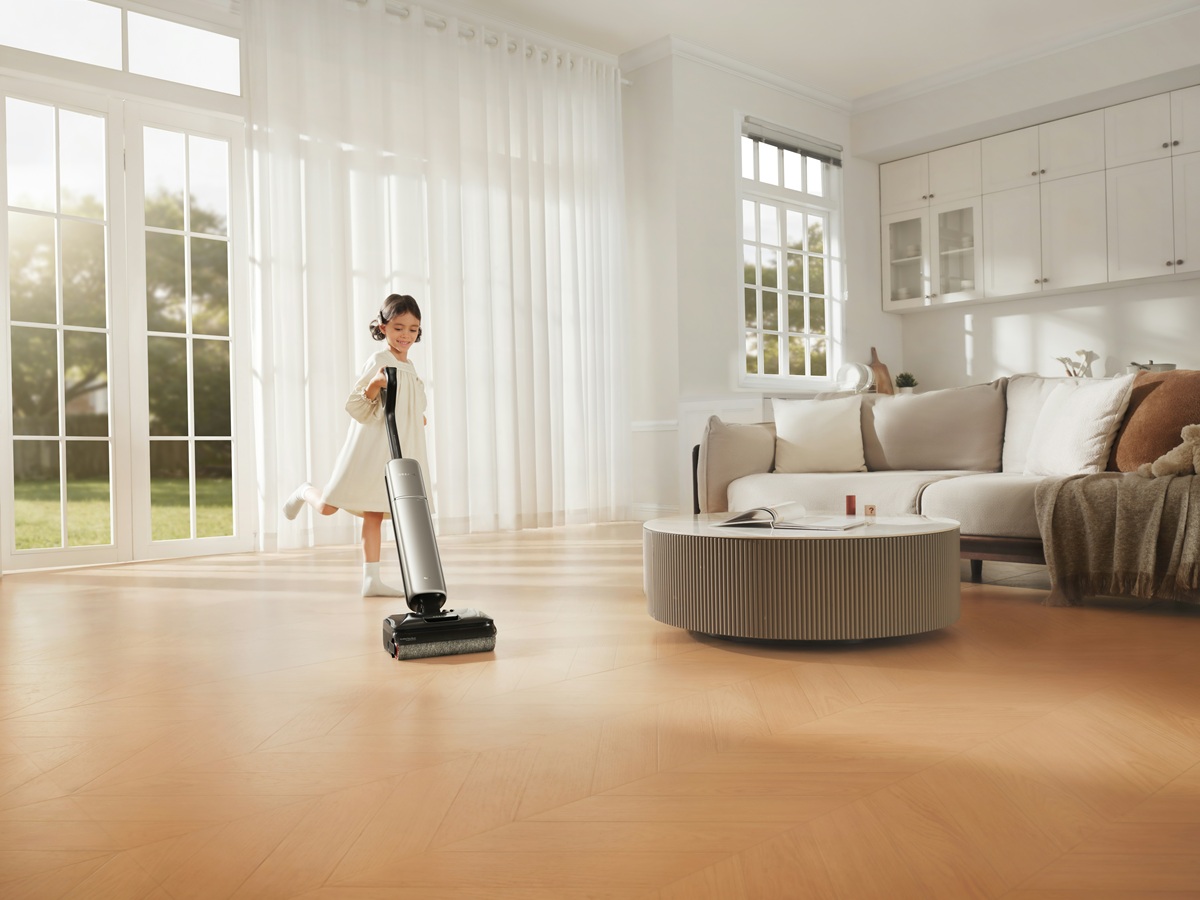
Not every kid can push a wet mop around without flooding the kitchen. Before you assign anything, think about what your child can realistically handle physically, emotionally, and attention-wise. A four-year-old might love the idea of mopping but lose interest after two minutes, while a nine-year-old might be perfectly capable but need clear instructions to stay on track. Setting them up for success matters more than getting the floor perfect, and the right match between task and age keeps frustration low on both sides.
Here’s a rough guide for dividing up floor duties by age:
- Ages 3 to 5: picking up toys, using a handheld duster on baseboards, wiping small spills with a cloth, sorting shoes by the door, pushing a small dry sweeper across a hardwood section
- Ages 6 to 8: sweeping with a child-sized broom, using a dry dust mop, emptying the dustpan, spot-cleaning sticky spots with a damp cloth, shaking out small rugs outside
- Ages 9 to 11: vacuuming rugs, damp-mopping tile or linoleum, moving light furniture, refilling spray bottles with the right cleaner-to-water ratio, cleaning under the kitchen table after meals
- Ages 12 and up: full mop and bucket work, scrubbing grout, deep-cleaning entryway mats, tackling stairs, stripping and reapplying floor finish on special projects
The goal isn’t to hand off the whole floor to your ten-year-old. It’s to give each kid a piece they can own from start to finish. When the job feels doable, resistance drops fast, and you’ll notice kids actually start to take pride in their corner of the work. A six-year-old who “owns” the baseboards in the hallway will often point them out to visitors, and that sense of ownership is what turns a one-time chore into a lasting habit.
Starting With the Right Tools
Child-sized tools make a huge difference, and this is one area where it’s worth spending a few extra dollars. A full-length broom is awkward for a six-year-old, and a heavy mop will just end up dragged across the floor leaving streaks, puddles, and a frustrated kid. Buy a smaller broom, a lightweight spray mop, and microfiber cloths they can actually hold without strain. Look for mops with adjustable handles so the tool can grow with them over a few years instead of being replaced every season.
Keep these in a low cabinet, hook, or labeled bin so kids can grab them without asking. When tools are visible and reachable, kids are far more likely to jump in on their own rather than waiting for a reminder. It’s also worth walking them through how each tool works the first few times, showing them how to wring out a cloth, how much spray is enough, and where to put things back when they’re done. These small habits make the difference between a kid who helps once and a kid who becomes a reliable part of the weekend cleaning routine.
Building a Saturday Morning Routine
Routines beat reminders every time. If floor care always happens on Saturday morning before screen time, it stops being a negotiation. It’s just what the family does.
Start small. Pick a 20-minute window, put on some music, and have everyone tackle their assigned zone. Kids respond well to timers, so set one visibly in the kitchen. When the timer goes, work stops regardless of whether the job is “perfect.” You can always touch up later, but you want them to associate cleaning with a clear beginning and end.
Johns Hopkins Medicine points out that regular chores at a young age help build competence and a sense of belonging within the family unit. That’s exactly what a predictable Saturday rhythm creates. Kids know their role, they show up for it, and they feel like they matter.
Teaching the Actual Mopping Steps
Once your kid is old enough to mop, don’t just hand them the bucket and wish them luck. Walk them through the process the first few times, ideally on a quiet weekend morning when nobody’s rushing out the door. Floors get ruined by well-meaning kids using too much water or the wrong cleaner, so slow down and demonstrate every single step, even the ones that feel obvious to you. What seems like common sense to an adult is brand new information to a child who’s never thought about why water and wood don’t mix.
Here’s the basic sequence to teach:
- Clear the floor of toys, chairs, and rugs first
- Sweep or vacuum to pick up loose debris
- Fill the bucket with warm water and the right amount of cleaner
- Wring the mop until it’s damp, not dripping
- Work in sections, moving from the far corner toward the doorway
- Let the floor air dry before walking on it
Each of these steps has a reason behind it, and kids remember instructions better when they understand the “why.” Clearing the floor prevents them from mopping around obstacles and leaving dirty rings. Sweeping first means they’re not just pushing crumbs and hair around in a wet mess. Measuring the cleaner correctly matters because more soap doesn’t equal cleaner floors — it usually leaves a sticky residue that attracts more dirt within a day or two. Wringing the mop properly is probably the single most important habit to drill in, because excess water is what warps boards, seeps into grout, and lifts laminate edges. Working from the back of the room toward the door keeps them from mopping themselves into a corner, which is a mistake every adult has made at least once.
It also helps to explain which floors need what. Hunker notes that hardwood, tile, and linoleum do best with a weekly mop, while laminate floors need a lighter touch and shouldn’t be mopped as often. Teaching your kid this early saves your flooring from years of accidental damage, and it gives them a sense of ownership over the different surfaces in your home. You can even walk them through your house and point out which rooms have which flooring, so they start to recognize the differences on their own. For a step-by-step reference that covers technique and timing in more detail, our breakdown on How to Mop the Floor Properly: A Weekly Cleaning Schedule is a solid companion piece, especially if you want to fold mopping into your family’s broader weekend activities and household rhythm.
Making the First Few Mops Hands-On
The first time, mop alongside them. Show them how to hold the handle with both hands, how to overlap strokes so they’re not missing streaks, and what a correctly wrung mop actually looks like when you lift it out of the bucket. Let them touch the mop head so they feel the difference between soaked and damp — that tactile memory sticks better than any verbal instruction. The second time, watch and coach from a few feet away, pointing out things like skipped spots or puddles without jumping in to fix them yourself. By the third or fourth session, step back and let them run it from start to finish, even if it takes twice as long as it would take you. This graduated approach is how skills actually stick, and it’s the difference between a kid who can mop and a kid who just helped you mop once.
Keeping the Motivation Going
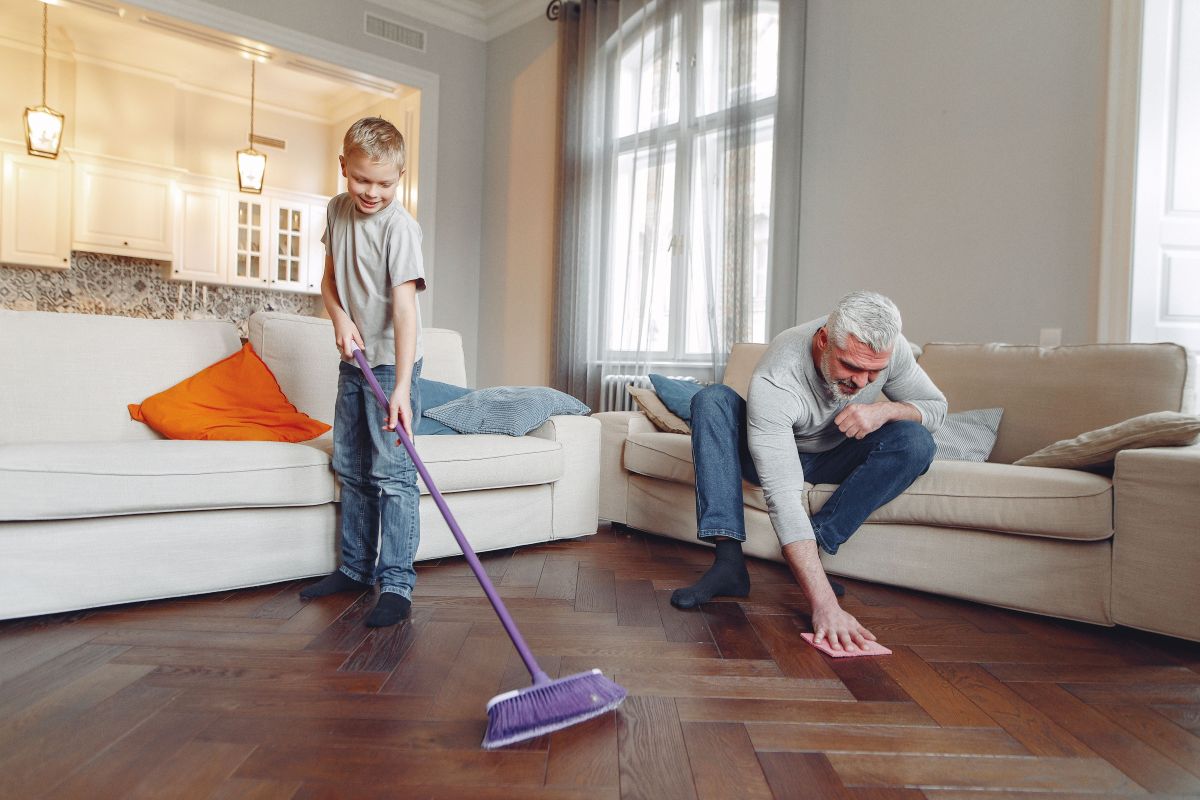
Enthusiasm drops after the first few weekends. That’s normal. The job itself isn’t thrilling, so you need small systems that keep kids engaged without turning into a reward economy where they expect cash for every task.
Try a mix of these approaches:
- A shared chore chart with checkboxes or magnets kids move themselves
- Music playlists the kids pick for cleaning time
- Rotating zones so nobody gets stuck with the worst floor every week
- Natural consequences, like no movie night until the entryway is swept
- Occasional surprise rewards tied to effort, not perfection
One underrated motivator is framing floor care as part of your broader weekend activities rather than a punishment that happens before fun begins. When cleaning sits inside the rhythm of the weekend alongside pancakes, games, and park trips, it feels less like a chore and more like something the family just does together.
The Child Mind Institute observes that chores help kids understand how much community matters, whether that community is the family, the school, or the neighborhood. Framing floor care as “this is how we take care of our home together” taps into that same idea.
Handling Pushback Without Losing Your Cool
Every kid resists chores at some point. Sometimes it’s a bad mood, sometimes it’s a legitimate complaint about fairness, and sometimes it’s just Saturday-morning grumpiness. Your response shapes whether the routine survives.
First, don’t negotiate the existence of the chore. The floor still needs cleaning. What you can negotiate is the timing within a window, the music, or which zone they take this week. Giving kids some choice within a fixed structure cuts resistance dramatically.
Second, resist the urge to redo their work in front of them. If the kitchen floor still has a smudge, point it out calmly and let them fix it, or save the perfectionism for later when they’re not watching. Nothing kills motivation faster than feeling like your effort didn’t count. Praise the parts they did well and be specific: “You got every corner of the entryway, that looked hard.”
Final Thoughts
Teaching kids to help with floor care isn’t really about having a cleaner house, though that’s a nice side effect. It’s about raising people who notice when something needs doing and know how to handle it themselves. That skill compounds over years in ways you can’t measure on a Saturday morning.
Start with age-appropriate tasks, give them real tools, build a predictable routine, and teach the actual mechanics instead of assuming they’ll figure it out. Expect pushback, roll with it, and keep showing up week after week. The consistency is what makes the lesson stick.
By the time your kids move out, they’ll know how to care for a floor without thinking about it. More importantly, they’ll know what it feels like to contribute to a household, and that lesson will show up everywhere else in their lives too.