
How to Mop the Floor Properly: A Weekly Cleaning Schedule
Key Takeaways
- Floors are among the dirtiest surfaces in any home, carrying bacteria that can affect health if not addressed regularly
- A weekly schedule works best for high-traffic zones like kitchens and entryways, while quieter rooms can wait longer between deep cleans
- Choosing the right mop type for your flooring material prevents damage and improves cleaning results
- Hot water, the correct cleaning solution, and frequent bucket changes dramatically reduce bacterial spread
- Dirty cleaning tools can actually make floors worse, so rinsing and drying mop heads after each use is essential
- Pre-sweeping or vacuuming before wet cleaning removes grit that would otherwise scratch surfaces and muddy the water
- Comparing methods like spray mops, steam mops, and traditional buckets helps you pick a routine that fits your lifestyle and home
Walk into any home and the floors usually look fine. A quick glance, maybe a sweep here and there, and most people assume everything is under control. The truth sits a little deeper than appearance, though. Floors collect everything we track in from outside, everything that falls from countertops, and every speck of dust that drifts down from the air.
Research backs this up in uncomfortable ways. According to Real Homes, every single floor sample in one microbiologist’s study tested positive for Pseudomonas aeruginosa, a bacteria that can cause infections in vulnerable people. That is not a small percentage. That is every floor. The implication is clear: what looks clean is rarely as clean as we hope.
This is why having a consistent plan matters so much more than occasional deep cleans. Sporadic effort leaves gaps where bacteria multiply and grime hardens. A reliable weekly rhythm, on the other hand, keeps your surfaces manageable and your home noticeably fresher.
Comparing the Main Types of Mops
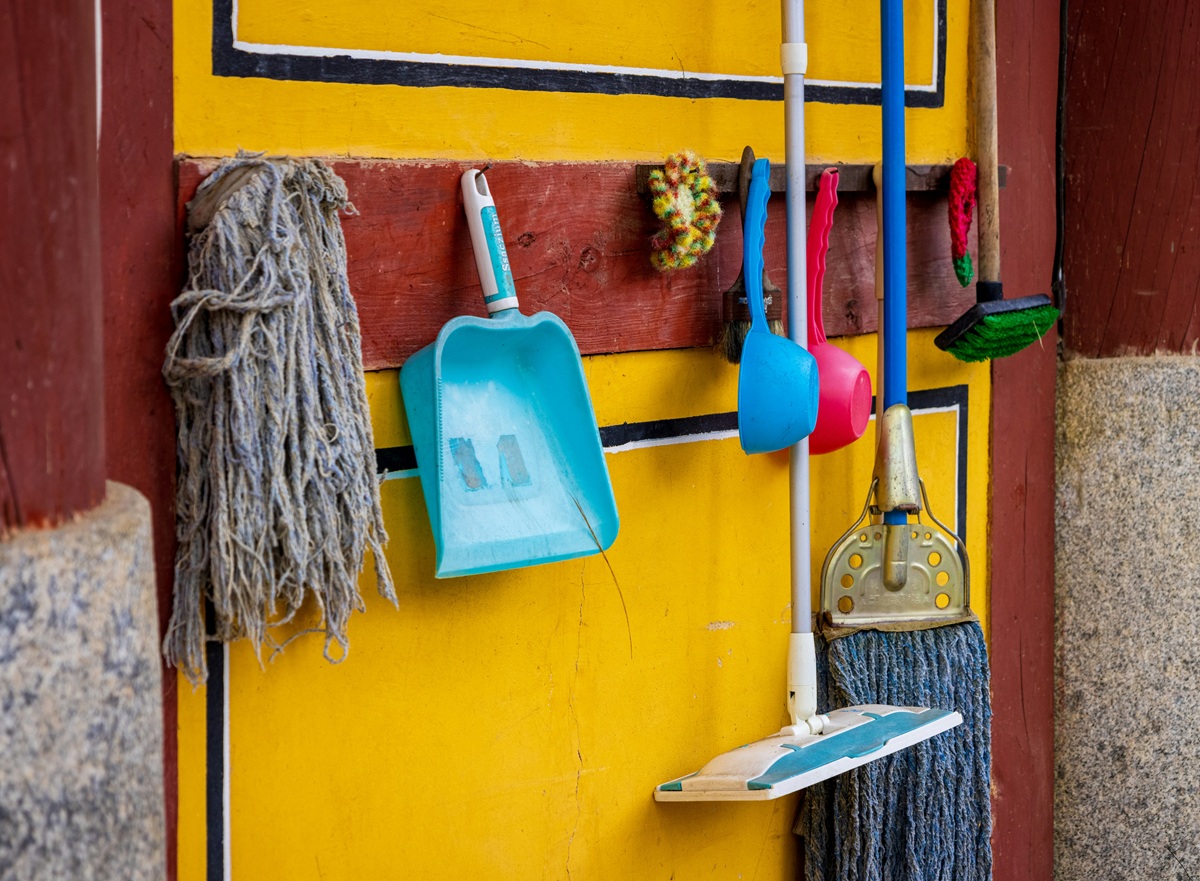
Before building any schedule, you need to understand your tools. Not every mop works for every job, and picking the wrong one can leave streaks, scratches, or soaked floorboards. The market has grown considerably in recent years, so comparing options honestly helps you avoid wasted money.
Traditional string mops hold a lot of water and work well on textured surfaces like unsealed concrete or rough tile. Flat microfiber mops, by contrast, trap dust and fine particles better and are gentler on sealed hardwood and laminate. Spray mops skip the bucket entirely and suit quick touch-ups, while steam mops use heat rather than chemicals to lift grime and sanitize.
Here is a quick breakdown of the main contenders:
- String or cotton mops: best for rough, uneven, or heavily soiled surfaces
- Flat microfiber mops: ideal for sealed wood, laminate, and daily maintenance
- Sponge mops: good for small bathrooms and spot cleaning, but wear out fast
- Spray mops: convenient for quick jobs with no bucket required
- Steam mops: effective for sanitizing sealed tile and stone without chemicals
- Robot mops: useful for consistent light cleaning, less so for stuck messes
Choosing one does not mean abandoning the others. Many households keep two types on hand, one for routine upkeep and another for deep cleaning sessions.
How Often Should You Actually Mop?
Frequency is where most people either overdo it or fall badly behind. Mopping daily can damage certain floors and wastes effort, while mopping once a month lets bacteria and sticky residue build up to unpleasant levels. Finding the middle ground depends on your household traffic, pets, kids, and climate.
According to Spruce Bath, a solid starting point is to clean high-traffic floors once a week and give lower-traffic spaces a wash every couple of weeks or whenever they visibly need it. That recommendation reflects real-world use rather than an idealized cleaning fantasy. It also gives you a framework to adjust from, rather than forcing one rule across every room.
Adjusting the Schedule for Pets and Kids
Households with dogs, cats, or young children should lean toward the more frequent end. Paws bring in mud and outdoor bacteria, and small kids drop food, drinks, and sticky hands on the floor constantly. If that sounds familiar, consider adding a mid-week spot mop in the kitchen and entryway even if your full routine is weekly.
The Right Way to Prepare Before You Start
Rushing into wet cleaning without prep is the single biggest mistake people make. Dust, hair, and small debris turn into muddy streaks the moment water hits them, and gritty particles get dragged across the surface, leaving fine scratches that dull your floors over time. Preparation takes five minutes and saves you from redoing the whole job.
Start by clearing the room of small furniture, pet bowls, rugs, and anything else that would get in the way. Then sweep thoroughly or run a vacuum with a hard-floor setting. Pay attention to corners and the areas under cabinets where crumbs accumulate. This step alone removes most of the loose soil that would otherwise end up in your mop bucket.
Next, fill your bucket with hot water, not warm. Heat helps dissolve grease and kills more microbes than lukewarm water does. Add your cleaner according to the bottle directions, and resist the urge to pour in extra. More soap means more residue, which attracts more dirt, which means more mopping. Less really is more here.
A Weekly Cleaning Schedule That Actually Works
A schedule only helps if you can stick to it. Overly ambitious plans fail within two weeks because real life gets in the way. The version below is realistic for most households and can be scaled up or down based on your home size and routine.
- Monday: quick sweep of kitchen and entryway, spot mop any sticky areas
- Wednesday: full vacuum of all hard floors, light dust of baseboards
- Friday: thorough mop of kitchen, bathrooms, and hallways
- Saturday or Sunday: deep clean of one rotating room per week
- Daily: wipe up spills immediately and shake out doormats
This structure keeps the biggest problem zones fresh without demanding a huge time commitment on any single day. The rotating deep clean means that every room gets a focused session roughly once a month, which prevents buildup in spaces you might otherwise ignore.
Building these habits also supports a safer and healthier family life, especially when combined with other household routines like regular laundering of cleaning cloths and taking shoes off at the door.
The Proper Technique: Steps You Should Not Skip

Technique matters as much as frequency. If you want to know how to mop the floor properly, start with the idea that you are not just pushing water around. You are lifting dirt off the surface and carrying it away, which requires the right motion and the right amount of moisture.
Work from the far corner of the room toward the doorway so you never walk on wet floors you just cleaned. Use a figure-eight motion on open spaces for better coverage, and straight back-and-forth strokes along edges and baseboards. Wring the mop until it is damp, not dripping. Standing water damages wood, seeps into grout, and takes forever to dry.
Why Changing the Water Matters
Nothing ruins a mopping session faster than reusing filthy water. Once your bucket turns gray or brown, you are essentially painting dirt back onto the floor. Change the water at least once per room in large homes, or whenever it looks visibly dirty. A two-bucket system, one for clean solution and one for rinsing, cuts down on this problem significantly and is worth the small extra effort.
Picking the Right Cleaning Solution
The cleaner you choose matters almost as much as the technique. Harsh chemicals can strip finishes off hardwood, dull stone surfaces, and leave vinyl looking hazy. Meanwhile, plain water alone rarely cuts through kitchen grease or bathroom residue. The goal is a cleaner matched to your floor type.
For sealed hardwood and laminate, use a pH-neutral cleaner designed for those surfaces. Tile and vinyl tolerate a wider range of products, including mild dish soap diluted in water. Natural stone like marble and granite needs specialty cleaners because acidic products can etch the surface permanently. Always test a new product in an inconspicuous spot first.
Here are a few general guidelines to follow:
- Avoid vinegar on natural stone, waxed wood, or unsealed surfaces
- Skip oil-based soaps on laminate, which can leave a film
- Use diluted bleach only on tile grout, never on wood or stone
- Rinse with clean water after using any soap-based cleaner
- Read the manufacturer’s recommendation for your specific flooring
The Hidden Risk of Dirty Cleaning Tools
One of the most overlooked parts of floor care is the tools themselves. A dirty mop head, a smelly bucket, or a reused cleaning cloth can spread more bacteria than they remove. This is especially true in kitchens, where contamination moves easily between surfaces.
Research published through the NCBI notes that [kitchen sponges rank among the most contaminated items](https://www. ncbi.nlm.nih.gov), harboring bacteria that transfer readily to whatever they touch. The same principle applies to mop heads. A tool stored damp in a dark closet becomes a breeding ground within days, and the next time you wet-clean, you are essentially spreading that colony across every surface.
Treat your mop head like a dishcloth. Rinse it thoroughly under hot running water after every use until the water runs clear. Wring it out as fully as you can, then hang it to air-dry in a spot with good ventilation, ideally outside or near a window. Microfiber pads can usually go in the washing machine, and doing so once a week keeps them performing like new. Toss cotton string heads when they start to smell sour even after rinsing, because at that point no amount of washing will bring them back.
Buckets deserve attention too. Rinse them out, wipe the inside with a disinfectant, and let them dry upside down. A film of old cleaner left in the bottom becomes a slimy residue that contaminates the next batch of water.
Common Mistakes That Undo All Your Work
Even with a solid routine, a few recurring errors can sabotage your results. Recognizing them is the first step to fixing them.
- Using too much water on wood or laminate, which causes warping and swelling
- Mopping before sweeping, which just smears debris around
- Skipping the baseboards, where grime lines build up fastest
- Walking on floors before they dry, leaving footprints and streaks
- Mixing cleaning products, which can create dangerous fumes
- Forgetting to shake out or wash rugs, which redeposit dirt the moment you replace them
- Storing a wet mop head sealed in a bucket or closet
Most of these come from habit rather than ignorance. Once you catch yourself doing one, the fix is usually straightforward. Slow down, work in the right order, and give the floor time to dry fully before you consider the job done.
Making the Routine Stick Long-Term
Knowing the correct steps is one thing. Doing them week after week is where most people struggle. Cleaning routines fall apart when they feel like a chore rather than a short, manageable task. The trick is to reduce friction wherever you can.
Keep your supplies accessible. If your mop, bucket, and cleaner live in a hard-to-reach closet behind piles of other gear, you will put off using them. Store everything together in one spot near the rooms you clean most. Pre-measure your solution in a labeled bottle so you are not fumbling with caps and measuring cups every time.
Pair the task with something enjoyable. Put on a podcast, an audiobook, or a playlist you only listen to while cleaning. This small reward turns a dreaded job into something you almost look forward to. Many people find that a thirty-minute session with good audio feels shorter than ten minutes of silent scrubbing.
Finally, involve the rest of the household. Kids old enough to walk are old enough to wipe up their own spills, and partners can handle one zone each. Spreading the work removes the feeling that floor care rests entirely on one person’s shoulders, which is often why routines collapse in the first place.
Wrapping It Up
Clean floors are not a luxury or a sign of a fussy household. They are a baseline for a healthier living space, and reaching that baseline does not require hours of daily labor. What it requires is a realistic plan, the right tools for your specific surfaces, and a willingness to maintain those tools so they keep doing their job well.
The weekly structure outlined here gives you a framework rather than a rigid prescription. Adjust it to fit your home, your schedule, and the people and pets who share your space. A smaller apartment might need less than what is suggested, while a busy family home with muddy dogs will need more. Either way, the principles stay the same: prep before you clean, use the correct solution, work in the right order, and look after your equipment.
Stick with the rhythm for a month and the results speak for themselves. Floors feel better underfoot, rooms smell fresher, and the dread of deep cleaning fades because nothing ever gets bad enough to dread. That quiet shift, from reactive scrubbing to steady upkeep, is the real goal, and it is well within reach for any household willing to commit to the basics.