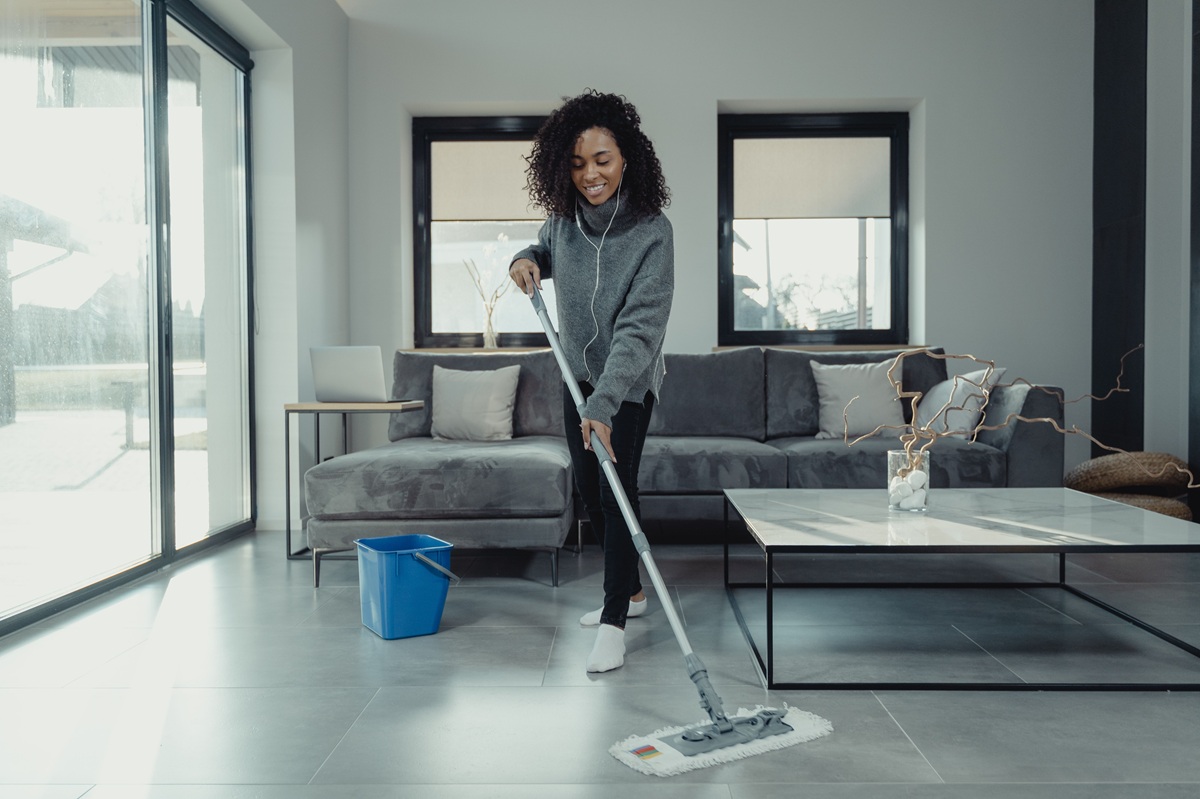
How to Combine Mopping With Other Weekly Cleaning Tasks
Floors tend to steal the spotlight when we think about weekly chores. Mopping feels like the big one, the task that signals a home is actually clean. But if you only think about mopping in isolation, you miss a huge opportunity to make the rest of your home shine with far less effort.
Pairing mopping with other weekly jobs can turn a half-day of scattered chores into a tight, efficient block of work. You save water, you save time, and you avoid that frustrating moment when freshly mopped floors get dusted with crumbs an hour later because you dusted the shelves afterward. Order matters. So does strategy.
This piece looks at different ways to combine mopping with your other weekly cleaning tasks, weighing the pros and cons of each approach so you can pick the one that fits your home, your schedule, and your energy levels.
Why Pairing Chores Beats Doing Them Separately
There is a reason professional cleaners do not wander room to room with one tool at a time. Grouping tasks cuts down on the mental overhead of switching gears, and it makes the physical work faster too. When you mop after dusting and vacuuming, the mop water stays cleaner, the floors stay cleaner longer, and you only fill the bucket once.
According to ECOVACS US, Americans spend roughly 56 minutes a week on floor care alone through vacuuming, mopping, and sweeping. That is almost an hour just on the floor, before you even think about counters, bathrooms, or laundry. Combining tasks is one of the few honest ways to claw some of that time back without lowering your standards.
There is also the psychological payoff. Finishing a whole zone at once feels better than leaving half-done work scattered around the house. You see progress. You get the satisfaction of a finished room rather than a vague sense that you cleaned “a little bit of everything.”
Top-Down Cleaning: The Classic Approach
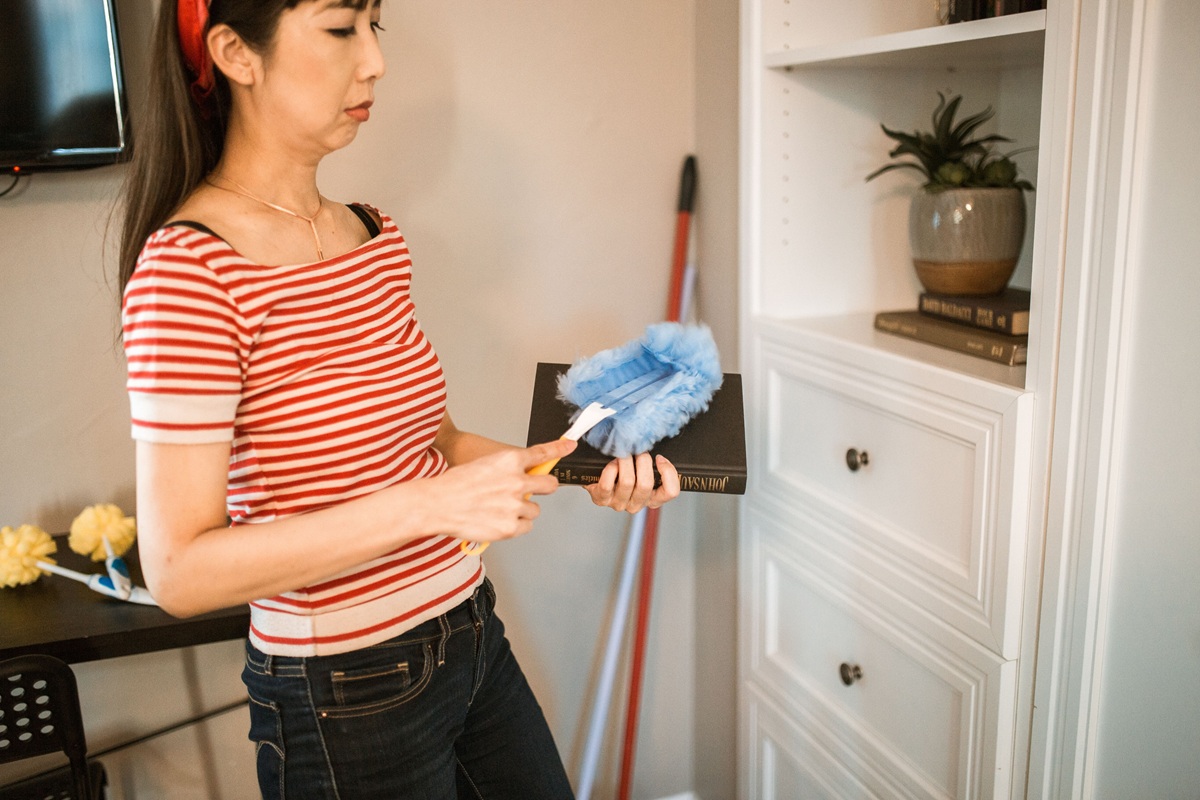
The oldest trick in the book is to clean from top to bottom. Dust the ceiling fan, wipe the shelves, clear the counters, vacuum the rugs, then mop. Gravity does half the work for you. Anything you knock loose from a higher surface ends up on the floor, which is exactly where your last task is going to deal with it. Think of it as letting physics be your unpaid assistant. Dust particles, pet hair, crumbs from a high shelf, stray threads from a throw blanket draped over the back of a chair — they all drift downward, settling on the lowest horizontal surface in the room. If that surface is already mopped and shining, you have just created more work for yourself.
This method works beautifully for weekly deep cleans because it respects the natural flow of mess. If you mop first and then dust, you are essentially cleaning the floor twice. Nobody wants that. It is one of the core principles behind most professional cleaning services, and it is the foundation of nearly every sensible household routine. Once you internalize the top-down rhythm, you stop second-guessing the order and start moving through rooms with real efficiency. There is also a subtle psychological benefit: finishing with the floor means you end each room on a satisfying, visible win rather than a dusty high shelf nobody looks at.
Here is a simple order that most people can follow in any room:
- Dust light fixtures, fans, and the tops of tall furniture
- Wipe down shelves, picture frames, and mid-level surfaces
- Clean counters, tables, and any glass surfaces
- Vacuum or sweep the floor thoroughly
- Mop with your preferred solution
- Let the floor air dry before walking on it
A few extra tips make this sequence even more effective. Use a microfiber duster with an extendable handle for the highest surfaces so you are not dragging a ladder from room to room. Keep a small caddy with your sprays, cloths, and polish so you only make one trip per room instead of five. When you reach the vacuuming step, move furniture a few inches rather than just cleaning around it — that is where the real buildup lives. And when it is finally time to mop, work from the far corner of the room back toward the doorway so you do not trap yourself on a wet floor. This is also exactly the logic behind How to Mop the Floor Properly: A Weekly Cleaning Schedule, which treats mopping as the final punctuation mark of a larger, well-ordered session rather than a standalone chore.
The main drawback is time. A proper top-down pass through a whole house can eat up an entire morning, sometimes a full four or five hours if you have multiple bedrooms, bathrooms, and a staircase in the mix. If your schedule is tight, you may need a different strategy — perhaps splitting the house into zones across two days, or reserving the full top-down treatment for a biweekly session while handling lighter touch-ups in between. The method is excellent, but like any ambitious part of your Household Routines, it rewards the people who can carve out an uninterrupted block of time to see it through.
Zone Cleaning Versus Task Cleaning
There are two broad philosophies when it comes to structuring your weekly chores. Zone cleaning means you tackle one area completely, say the kitchen, before moving on. Task cleaning means you do one type of job across the whole house, such as dusting everywhere first, then vacuuming everywhere, then mopping everywhere.
Both have merit. Zone cleaning gives you fully finished rooms and lets you stop whenever you run out of steam without leaving a trail of half-done work. Task cleaning is often faster overall because you are not constantly swapping tools and supplies. The right choice depends on how much uninterrupted time you have.
When Zone Cleaning Wins
If you only have a 30-minute window here and there, zone cleaning is your friend. You can do the whole bathroom on Monday, the kitchen on Wednesday, and the living areas on Saturday, mopping each floor as you finish the surfaces above it. The mop goes in and out of the bucket fewer times, and you always leave a completed room behind.
When Task Cleaning Wins
If you have a free Saturday morning and want the whole place done in one shot, task cleaning tends to be more efficient. You dust everything, vacuum everything, then mop every hard floor in one continuous sweep. It feels more like production work, but the time savings are real.
Building Mopping Into Your Weekly Rhythm
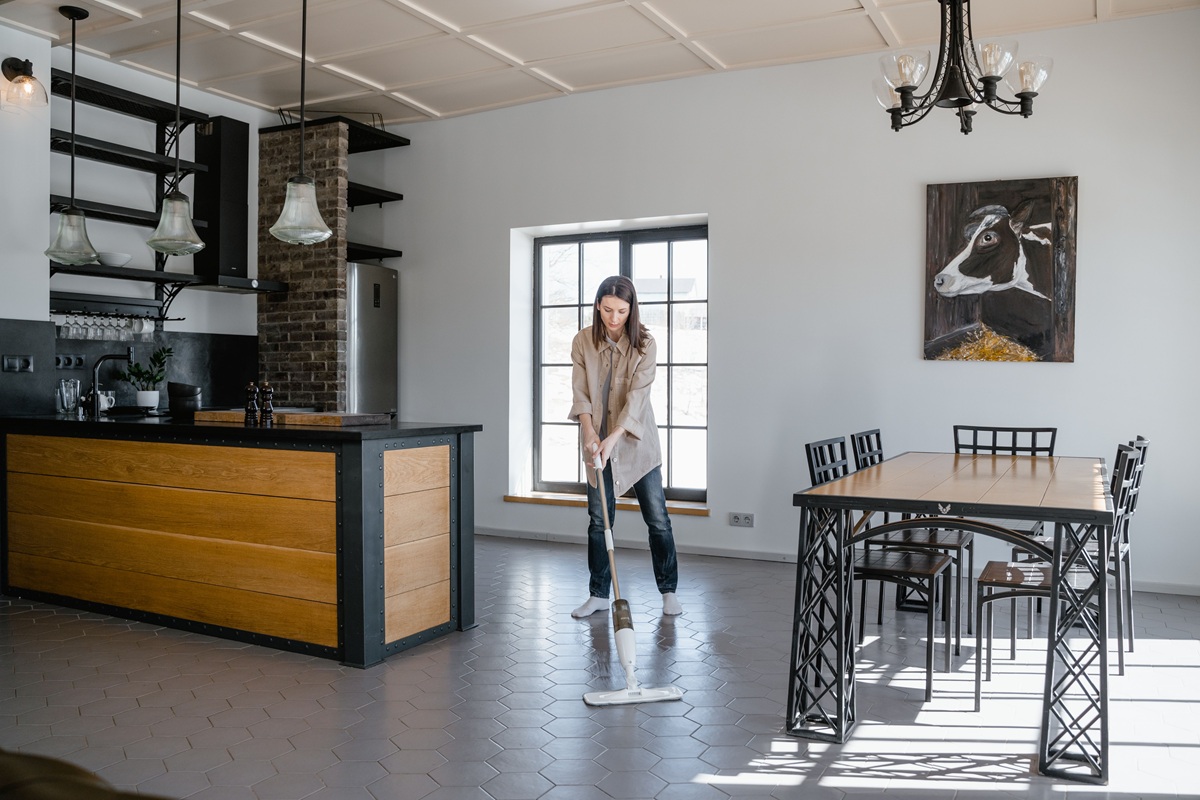
The households that stay consistently clean usually have a rhythm rather than a rulebook. Household Routines built around small, repeatable blocks of work are far easier to stick with than elaborate checklists that demand four hours every Sunday. The goal is to make mopping feel like a natural part of a bigger flow, not a dreaded standalone chore that looms over your weekend and gets pushed to “next Saturday” three weeks in a row.
Think of it this way: the people who seem to always have sparkling floors rarely set aside dedicated “mopping time.” Instead, they’ve quietly woven it into moments that were already happening. The mop comes out while coffee brews, while a podcast episode plays, or while the dishwasher runs through its cycle. That stealth integration is what separates a sustainable system from a burst of motivated scrubbing that fizzles within a month.
The U.S. Bureau of Labor Statistics’ 2025 American Time Use Survey found that people average around 20 minutes a day on indoor cleaning. Spread across a week, that is more than two hours of cleaning time already baked into most lives. If you organize those minutes intentionally, you can easily fit mopping in without adding a single new minute to your schedule. The trick is recognizing that most of those minutes are currently scattered across reactive wiping, spot-cleaning, and half-finished tidying — energy that could be channeled into one focused mopping pass that actually resets the floor.
A good weekly rhythm also respects the fact that not every floor needs the same attention. Kitchens and entryways typically need a thorough mop once a week, bathrooms benefit from a quick pass right after other cleaning, and lower-traffic rooms like guest bedrooms or formal dining areas can often stretch to every other week. Mapping your home by traffic level before you build the schedule keeps you from over-mopping rooms that do not need it and under-mopping the zones that actually get grimy.
Try pairing mopping with these weekly anchors:
- Laundry day: mop while a load is in the washer and nothing else needs your attention
- Grocery unpacking day: clean the kitchen floor before restocking the pantry
- Trash night: do a quick mop of high-traffic zones after bins go out
- Bathroom refresh day: mop immediately after scrubbing the tub and toilet
- Sunday meal prep: mop the kitchen once ingredients are put away and counters are wiped
- Pet grooming day: mop after brushing, when loose hair and dander are most concentrated on the floor
Pick two of these pairings and stick with them for at least a month before adjusting. Consistency beats ambition every single time, and a modest routine you actually follow will leave your floors cleaner than an elaborate plan you abandon by week three. Once those two pairings feel automatic, you can layer in a third — but only if it fits naturally into something you were already doing.
The Bathroom and Kitchen Combo Strategy
Bathrooms and kitchens are the two rooms where mopping matters most, and they happen to share a lot of cleaning logic. Both have hard floors, both have surfaces that need disinfecting, and both tend to accumulate grime faster than other rooms. Treating them as a combo on the same day makes a lot of sense.
Start in the kitchen. Clear the counters, wipe them down, clean the stovetop, and handle the sink. Sweep up crumbs, then move to the bathroom. Scrub the toilet, wipe the vanity, clean the mirror, and rinse the tub or shower. Now you are ready to mop both floors back to back with the same bucket of fresh cleaning solution.
Why This Order Protects Your Mop Water
Mopping the kitchen first means you are starting with food-related dirt, which is generally lighter and easier on your mop water. By the time you get to the bathroom, you can use the same bucket for one more floor before changing it out. If you reverse the order, the bathroom grime will contaminate the water before your kitchen floor gets its turn. For a detailed walkthrough of the technique itself, cleaning hard floors correctly is worth studying before you commit to any combo strategy, because the wrong method can undo all your efficient scheduling.
Deep Cleans Versus Weekly Maintenance
Not every mopping session needs to be a marathon. There is a meaningful difference between weekly upkeep and the big seasonal reset that many people still do. Knowing which one you are tackling helps you plan the rest of your tasks accordingly.
The American Cleaning Institute reports that 80 percent of households take on spring cleaning each year, which tells you how widespread the deep clean habit still is. Weekly mopping, though, should be far lighter. Think of it as maintenance that prevents you from ever needing to spend a whole weekend scrubbing grout.
For weekly upkeep, pair a quick mop with these smaller jobs:
- A 10-minute surface wipe-down of high-touch areas
- A fast vacuum of entryways and under the dining table
- Emptying and wiping down the kitchen trash bin
- A quick swipe of baseboards in the mopped rooms
Save the deeper combinations, like scrubbing grout or cleaning under appliances, for monthly or seasonal sessions. If you want a proven rhythm to follow, it helps to look at a structured plan like How to Mop the Floor Properly: A Weekly Cleaning Schedule, which lays out exactly when to do what.
In a Nutshell
Combining mopping with other chores is less about working harder and more about working in the right order. Top-down cleaning handles gravity for you. Zone cleaning gives you finished rooms. Task cleaning gives you speed. Pairing kitchen and bathroom mopping saves water and effort. Each approach has a place, and the best one for you depends on how your week actually looks.
The real win comes from treating mopping as part of a bigger flow rather than a separate chore to dread. When it slots naturally into your week, next to laundry or trash night or a quick bathroom refresh, it stops feeling like a burden and starts feeling like a small, satisfying finish to work you were already doing.
Pick one combination from the ideas above and try it for a month. Adjust what does not work. Keep what does. A clean home is rarely the result of one heroic effort; it is the result of smart, steady pairings that quietly add up week after week.