
How to Plan a Family Vacation on a Budget
Key Takeaways
- Booking flights on weekdays instead of weekends can trim meaningful dollars off both domestic and international airfare
- Traveling in the shoulder season or off-peak months unlocks steep discounts on hotels, attractions, and rentals
- Setting a clear total trip budget before picking a destination keeps spending decisions grounded and realistic
- Cooking some meals in the rental and packing snacks can cut food costs in half without sacrificing enjoyment
- Free attractions like parks, beaches, hikes, and museum free days often become the trip’s most memorable moments
- Loyalty programs, travel rewards cards, and price alerts stack smaller savings into significant totals over time
- Involving kids in trip planning builds excitement and teaches practical money lessons they carry into adulthood
What Does a Budget Family Vacation Actually Mean?
Taking the family somewhere new should feel exciting, not stressful. But if you have ever stared at a hotel booking page and watched the total climb higher with every click, you already know travel has a way of quietly draining savings accounts. Add in airfare that spikes the moment school breaks are announced, resort fees buried in the fine print, and the inevitable “we have to eat somewhere” dinners out, and a simple getaway can balloon into a financial decision bigger than a new appliance or a car repair. The good news is that a memorable trip does not require an unlimited credit limit. It requires a plan, and knowing how to plan a family vacation on a budget starts with understanding what you are actually paying for in the first place.
Before we get into tactics, let’s reset expectations. A budget vacation is not a cheap vacation. It is an intentional one. You are choosing where to spend and where to save so the money goes toward what your family actually values, whether that is beach time, theme park days, a long road trip, or a quiet cabin in the woods. For some families, that means splurging on a beachfront condo but packing every breakfast and lunch from a nearby grocery store. For others, it means driving instead of flying so they can afford an extra day at the aquarium, or skipping the hotel pool entirely because the kids would rather spend their time hiking. The point is that “budget” is not a label your trip earns by being bare-bones. It is a mindset of trade-offs, and it fits neatly into the bigger picture of family household planning, where every dollar spent on travel is a dollar you chose not to spend on something else.
For context on what people are typically spending, Pacaso reports that a family of four will spend roughly $7,964 on a one-week domestic trip. That number can feel intimidating, especially when you break it down into lodging, transportation, food, activities, and the small extras that nobody budgets for — souvenirs, parking, checked bag fees, the overpriced sunscreen you had to buy at the resort gift shop. But it also shows how much room there is to spend smarter. A family that is willing to travel in the shoulder season, book accommodations with a kitchen, and plan one or two free activities per day can realistically cut that figure in half. With the right approach, you can trim thousands off the average and still come home with the good memories intact — and often with more of them, because you were not stressed about the credit card bill waiting at home.
Start With a Clear Number Before You Pick a Destination
Most families make the same mistake. They fall in love with a destination first, then try to squeeze it into a budget that was never realistic to begin with. Flip that order. Decide what you can comfortably spend, then let that number guide the destination.
Sit down with your partner and look at your actual finances. How much can you move toward travel without borrowing or dipping into emergency savings? Once you have that total, break it into categories so you can see where the money needs to go.
A simple starter breakdown might look like this:
- Transportation (flights, gas, rental car, parking)
- Lodging (hotel, rental, campground fees)
- Food (groceries, restaurants, snacks, drinks)
- Activities and attractions (tickets, tours, equipment rentals)
- Miscellaneous (souvenirs, tips, unexpected costs, travel insurance)
Treating travel as a line item inside your broader family household planning makes it feel less like a splurge and more like a goal you are working toward. When the trip is part of the bigger financial picture, it stops competing with rent, groceries, or school expenses.
Build in a Buffer You Hope Not to Use
Always add about ten percent on top of your planned total as a cushion. Flights get delayed. Kids outgrow shoes mid-trip. Someone gets a stomach bug and needs medicine at midnight. A buffer keeps small surprises from becoming financial problems, and if you do not use it, that money rolls into your next trip.
When Should You Travel to Save the Most?

Timing is the single biggest lever you can pull. The same hotel room, the same flight, and the same theme park ticket can cost wildly different amounts depending on the day and season you book.
According to AAA Central Penn, choosing off-peak travel windows can save families between 20 and 40 percent on lodging and activities. That is not pocket change. On a $6,000 trip, the lower end of that range is still $1,200 back in your account.
Shoulder seasons are the sweet spot. Think late April through mid-June, or September through early November for most popular destinations. The weather is still pleasant, crowds are thinner, and prices drop. If your kids are school age, look at the first week back from winter break or the week before Thanksgiving.
Day of the week matters too. WalletHub notes that flying mid-week can save around $90 on a domestic flight and $140 on an international one. Tuesdays and Wednesdays are usually the cheapest departure days, and returning on a Saturday instead of a Sunday often shaves more off the fare.
How to Plan a Family Vacation on a Budget Without Cutting the Fun
This is where most people get stuck. They assume budget travel means boring travel. It does not. It means being honest about what actually makes your family happy and skipping the stuff that just looks good in photos.
Start by asking each family member what they most want out of the trip. One kid might only care about the pool. Another just wants ice cream every night. Your partner might want one quiet morning with coffee and a view. When you know the real priorities, you can spend money on those and skip the expensive extras nobody actually cares about. This is honestly the heart of how to plan a family vacation on a budget: aligning spending with what matters, not with what the brochure says you should do.
Here are proven ways to save without gutting the experience:
- Rent a condo or home with a kitchen instead of booking multiple hotel rooms
- Cook breakfast and pack lunches, then eat dinner out
- Use city tourism websites to find free festivals, markets, and events
- Buy attraction tickets in advance online where discounts are often 10 to 20 percent cheaper
- Look for city passes that bundle several attractions at a reduced rate
- Check if your library card unlocks free museum admission through programs like Museums for All
Small choices stack up. Skipping two restaurant meals a day for a family of four can easily save $200 or more over a week-long trip.
Where You Stay Changes Everything
Lodging is usually the second-largest expense after transportation, and it is also the category with the widest price range. The same neighborhood can offer a $400-per-night hotel and a $120-per-night rental within walking distance of each other.
Vacation rentals almost always win for families of four or more. You get more space, a kitchen, laundry, and often a yard or pool. Compare listings across multiple platforms because the same property is sometimes priced differently depending on where it is listed. Always read recent reviews, and factor in cleaning fees before you compare totals.
Consider Staying Just Outside the Hotspot
Lodging ten or fifteen minutes from the main tourist zone is frequently half the price of staying in the middle of it. A short drive or quick transit ride each morning is a small trade for hundreds in savings. This is the same logic families use when staying organized during relocation — a little flexibility about exact location opens up far better options. Look at suburbs, nearby small towns, or the next neighborhood over.
Other lodging options worth exploring:
- State and national park cabins, which are often extremely affordable
- Home exchanges with other families through sites built for swaps
- University housing rented out during summer breaks
- Camping or glamping for a fraction of hotel costs
Why Does Travel Keep Getting More Expensive?
If it feels like trips cost more every year, you are not imagining it. Inflation, demand that bounced back hard after the pandemic years, and rising fuel costs all play a role. Hotels raised rates. Airlines added fees. Rental cars jumped. None of that is reversing soon.
What that means for families is simple. The old approach of booking a few weeks out and hoping for a deal rarely works anymore. The families getting the best prices are the ones planning three to six months ahead, watching fares with alerts, and being flexible on exact dates.
Smart Tools and Habits That Quietly Save Hundreds
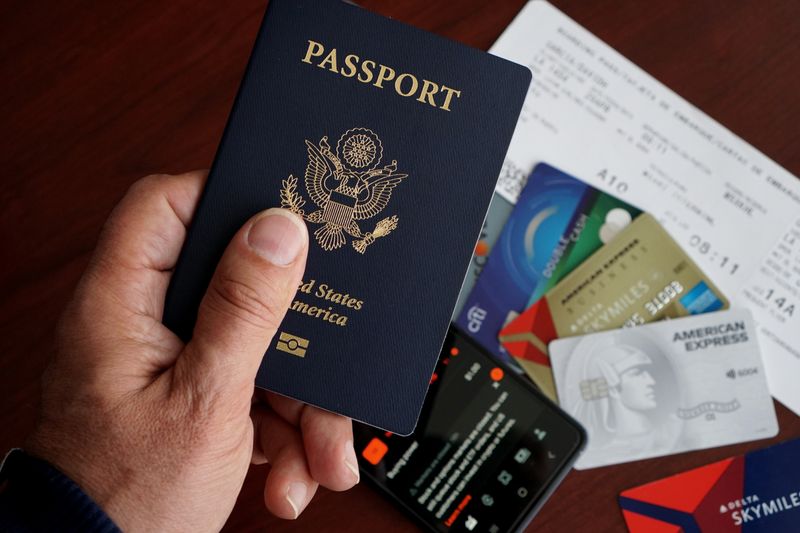
Technology does most of the heavy lifting if you let it. Price tracking apps, fare alerts, and loyalty programs are free, and they quietly work in the background while you handle everything else.
Set up fare alerts the moment you have a rough destination in mind. Google Flights, Hopper, and Going all let you track routes and notify you when prices drop. For hotels, tools like Kayak and Trivago compare rates across booking sites so you are not jumping between tabs manually.
A few habits worth building:
- Use a travel rewards credit card for everyday purchases and pay it off monthly to earn points toward flights or hotels
- Join free loyalty programs for airlines and hotel chains you use even occasionally, since points add up faster than people expect
- Check cash-back portals like Rakuten before booking, as many hotel bookings earn 3 to 10 percent back
- Clear your browser cookies or use incognito mode when searching flights to avoid dynamic pricing creep
Stacking rewards is where real savings happen. A card sign-up bonus might cover a round-trip flight. Hotel points from a work trip might cover two free nights on vacation. None of it feels dramatic in the moment, but the totals matter.
Involve the Kids in the Planning Process
Letting kids help plan the trip does two things at once. It builds anticipation, which honestly becomes part of the fun, and it teaches them how money actually works in the real world. Give each child a small discretionary budget for souvenirs or extras and let them decide how to spend it. You will be amazed how carefully a ten-year-old weighs a $12 keychain against a $6 ice cream when the money is theirs to manage.
This kind of hands-on learning ties into broader support for family life that helps kids grow into financially confident adults. Trips become lessons without ever feeling like lessons.
Getting There Without Blowing the Budget
Transportation can eat a third of your total cost if you are not careful. For families of four or more, driving is almost always cheaper than flying once you add up tickets, baggage fees, airport parking, and a rental car at the other end. Road trips also give you more flexibility to stop, explore, and pack your own food.
If flying makes more sense, book early and stay flexible. Flying into a secondary airport an hour from your destination can cut fares significantly. Southwest, JetBlue, and budget carriers like Frontier and Spirit sometimes undercut the majors by hundreds per ticket, though you need to read the fine print on bags and seat selection.
When renting a car, skip the airport counter when possible. Off-airport locations often run 20 to 30 percent cheaper because they skip the airport concession fees. Booking through Costco Travel or AutoSlash frequently surfaces better rates than going direct.
Conclusion
Planning a trip your family can actually afford comes down to a handful of habits practiced consistently. Set the budget first. Pick dates that work in your favor rather than against you. Choose lodging that gives you space and a kitchen. Use the free tools that track prices and stack rewards. None of these moves require sacrifice, and most of them become second nature after one or two trips.
The families who travel well on less are not lucky. They are intentional. They know what matters to them, they plan ahead, and they make small choices every day that leave more room in the budget for the moments they will actually remember a decade from now.
The next time you start dreaming about a trip, resist the urge to jump straight to booking sites. Open a notebook, talk to your partner, ask the kids what they want, and build the plan from there. The vacation you can afford is almost always the one you enjoy most, because nobody comes home anxious about the credit card bill waiting in the mailbox.