
How to Make Everyday Family Life Safer, Healthier, and More Convenient
Managing a household involves countless decisions that affect everyone who lives there. Parents balance work, school schedules, appointments, and daily responsibilities while trying to make time for meaningful experiences together. Families may also support older relatives, care for pets, and maintain properties that need attention throughout the year. With so many competing priorities, convenience matters, but safety and well-being should guide every choice.
Creating a healthier, more manageable routine does not require changing everything at once. It starts with identifying the services, habits, and resources that solve recurring problems. Thoughtful planning can reduce last-minute stress, make emergencies easier to handle, and help each household member feel supported. From education and preventive care to outdoor comfort and emergency preparation, small improvements can make daily family life run more smoothly. A little time spent carefully evaluating options today can prevent avoidable scheduling conflicts tomorrow. It also creates more opportunities for families to enjoy their time together.
Choose Educational Options That Fit Your Family
A child’s school experience shapes more than academic progress. It can influence confidence, social development, interests, and the way families organize their weekdays. When comparing educational options, consider each child’s learning needs, transportation arrangements, available support, and opportunities to participate in activities beyond the classroom. These practical details matter as much as a school’s curriculum.
Some households explore private schools because they are interested in particular teaching approaches, specialized programs, or campus environments. Families should ask about class sizes, academic expectations, communication practices, tuition, and any additional costs before making a decision. Visiting a school and speaking with administrators can reveal whether its routines and resources fit a child’s needs. It is also helpful to understand how the school handles student safety, behavior concerns, and family involvement.
Care does not end when the final bell rings. Well-organized after school programs can provide supervised time for homework, creative activities, sports, or social interaction. These programs may also help working parents bridge the gap between school dismissal and the end of the workday. Ask about staff supervision, pickup procedures, activity choices, and how programs respond when a child needs extra assistance.
Regardless of which arrangement works best, review it as children grow. Their schedules, friendships, and interests change, and a flexible approach makes it easier to support those changes without disrupting the entire household.

Make Preventive Health Care Part of Your Routine
Regular appointments can be difficult to coordinate when several family members have different needs. One practical solution is to create a shared calendar for checkups, medication refills, school forms, and recommended screenings. Keeping important contact information in a single accessible place also prevents unnecessary searching when someone becomes ill or needs prompt attention.
Oral health deserves a consistent place in this plan. Establishing ongoing relationships with family dentists can simplify scheduling and help households maintain regular dental care across different ages. When choosing an office, consider its services, appointment availability, approach to younger patients, insurance policies, and procedures for urgent dental concerns. Clear explanations and realistic treatment recommendations can make visits less intimidating for children and adults alike.
Daily habits remain important between appointments. Encourage regular brushing and flossing, keep drinking water available, and plan meals that provide variety rather than relying entirely on convenient packaged snacks. Physical activity, sleep, and opportunities to manage stress contribute to a family’s overall sense of well-being. Rather than setting ambitious goals that quickly become overwhelming, begin with habits that fit existing schedules.
When a household develops predictable care routines, fewer details are left to memory. Family members know when appointments are approaching, what supplies are needed, and whom to contact with questions. Consistency supports good health while reducing the effort required to manage it.
Coordinate Support for Aging Family Members
Caring for older relatives often becomes part of everyday family life gradually. A parent may begin needing rides to appointments, help with groceries, or assistance managing household tasks. These changes can be easy to overlook until an unexpected event reveals that existing arrangements are no longer sufficient. Having calm, respectful conversations early gives everyone more time to discuss preferences and practical needs.
Depending on the situation, elderly care services may offer companionship, transportation, meal assistance, or help with certain daily activities. The right level of support depends on a person’s health, independence, living environment, and wishes. Families should learn which services are available, how caregivers are screened and supervised, and what happens if the usual caregiver cannot attend a scheduled visit. Costs and service limitations also deserve careful review.
Safety at home may require small adjustments. Better lighting near stairs, uncluttered walkways, accessible storage, and secure handrails can make routine activities easier. Family members can also organize emergency contacts, medications, and relevant instructions so information is readily available when needed. Any substantial changes should be discussed with the older adult rather than imposed without their input.
Shared responsibilities can prevent one person from carrying the entire workload. A simple schedule for visits, errands, and phone calls helps relatives stay involved. The goal is to provide useful assistance while respecting an older family member’s dignity, choices, and changing abilities.

Prepare for Unexpected Pet Health Needs
Pets are important members of many households, but their needs can change without warning. An injury, sudden illness, or unusual behavior may require attention outside a veterinarian’s normal hours. Knowing where to turn ahead of time helps owners respond more efficiently instead of scrambling for information during a stressful situation.
Identify a nearby emergency vet and save the clinic’s address, phone number, and operating hours. It is worth checking whether the facility handles overnight emergencies, which species it treats, and whether it recommends calling before arrival. Keep your regular veterinarian’s information nearby as well, since sharing medical history may help the emergency team understand your pet’s needs.
Preparation also includes a practical transportation plan. Make sure carriers or appropriate restraints are easy to reach, especially if a pet becomes frightened or cannot move comfortably. Store vaccination records, current medication details, and important health information where another family member can access them. A modest emergency fund or a clear understanding of payment options may also reduce financial surprises.
Everyday observation matters just as much as emergency planning. Changes in appetite, energy, breathing, or behavior can indicate that a pet needs professional attention. Avoid guessing about treatments or giving human medications without veterinary guidance. When everyone in the household knows the basic plan, it becomes easier to act promptly and focus on the animal’s care.
Plan Pet Care Around Busy Schedules
Work commitments, vacations, school events, and family emergencies sometimes make it impossible for owners to be home as often as their pets need. Arranging dependable care in advance avoids rushed decisions and helps animals maintain familiar routines. The right arrangement will depend on the pet’s personality, health, activity level, and comfort around unfamiliar people or animals.
A pet boarding service can be useful when households travel or need temporary overnight care. Before booking, ask about feeding schedules, exercise opportunities, staffing, supervision, and the facility’s approach to animals that become anxious. Tour the space when possible and look for clean accommodations, secure enclosures, and clearly explained health requirements. It is also important to ask how staff contact owners and obtain veterinary assistance if a problem arises.
Not every pet thrives in a group setting. Some animals may do better with care in their own homes, particularly if they are older or have specialized routines. Compare the benefits of boarding, pet sitting, and help from relatives without assuming one option suits every situation. Written instructions should cover food portions, medication schedules, behavioral tendencies, and emergency contacts.
Trial visits or short stays can help owners understand how their pets respond before a longer trip. Planning ahead also provides time to update vaccinations and gather supplies. With a thoughtful care arrangement in place, families can manage schedule changes while giving pets consistent attention and comfort.

Make Outdoor Areas More Comfortable
A yard, patio, or garden can become an extension of the home when it is arranged for everyday use. Comfortable seating, shaded areas, good lighting, and clear paths can encourage family members to spend more time outside. Outdoor living spaces do not need elaborate designs to be useful; even a modest area can support meals, play, reading, or relaxing after a busy day.
Consider how different people will use the space. Young children benefit from clear play areas, while older relatives may appreciate stable walking surfaces and seating that is easy to access. Keep tools, chemicals, and sharp equipment secured. Inspect decks, steps, railings, and play structures periodically, and address visible damage before it creates an avoidable hazard.
Insects can also affect outdoor comfort. Homeowners considering residential mosquito control should begin by reducing standing water in containers, clogged gutters, and other places where mosquitoes may breed. Screens, fans, protective clothing, and suitable repellents can provide additional protection. If hiring a treatment provider, ask which methods are used, how applications are scheduled, and what precautions are recommended for children, pets, and nearby plants.
Maintenance should match the seasons and the family’s actual routine. Regularly clearing debris, trimming overgrown vegetation, and checking drainage can preserve the area’s usability. Thoughtful improvements make outdoor time more appealing without turning the yard into another complicated responsibility.
Strengthen Your Severe Weather Plan
Severe weather can interrupt ordinary routines with little warning. Heavy winds, intense storms, flooding, and other hazards may affect transportation, communications, and access to basic supplies. Families are better prepared when they decide in advance how to receive alerts, where to gather, and how to communicate if household members are separated.
Start by identifying the hazards most likely to affect your area and reviewing guidance from local emergency management officials. Discuss shelter locations, evacuation routes, and how plans may change when children are at school or adults are at work. Keep flashlights, batteries, drinking water, essential medications, and basic first aid supplies in accessible places. Important documents should be stored securely, with copies available if originals cannot be reached.
In regions exposed to dangerous winds or tornadoes, a properly designed storm shelter may provide an additional protective option. Before installing or purchasing one, investigate applicable building standards, local requirements, placement, access, and maintenance. A shelter should fit the household’s needs, including those of anyone with mobility limitations or pets. It should also be possible to reach the designated location quickly when warnings are issued.
Practice the plan occasionally rather than assuming everyone will remember instructions under pressure. Update emergency contacts when circumstances change, and review supplies before the seasons associated with greater risk. Familiar procedures can reduce confusion and help everyone respond more confidently.
Keep Essential Systems Ready During Outages
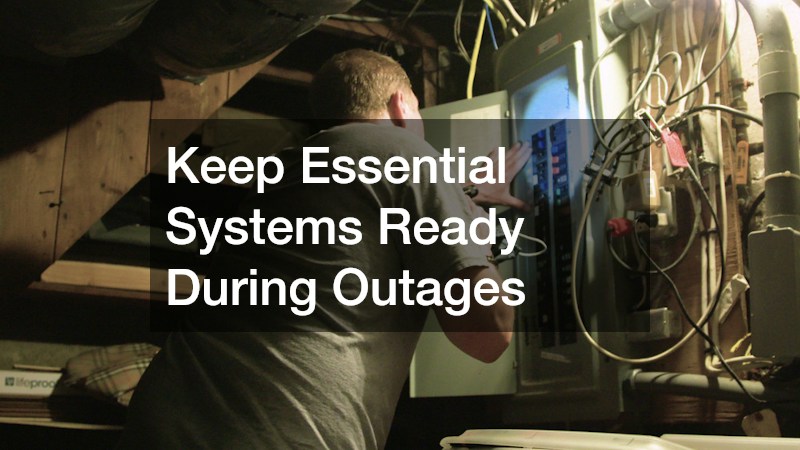
Power interruptions can affect more than lighting. Refrigeration, internet access, heating or cooling equipment, and certain medical devices may stop functioning when electricity is unavailable. The consequences depend on outage duration, weather conditions, and the needs of people living in the home. Identifying priorities before a disruption helps families choose practical solutions.
Some homeowners consider backup generators to support essential electrical loads when utility power fails. Options vary in capacity, fuel requirements, installation needs, and operating procedures. A qualified professional can help evaluate the home’s electrical demand and explain safe connection methods. Generators must never be operated indoors or in enclosed areas because they produce dangerous carbon monoxide. Follow manufacturer instructions and local requirements for placement and use.
Planning should not depend entirely on equipment. Charge portable devices when storms are expected, keep battery-powered lights available, and establish a way to receive updates without household internet. Consider how medications requiring refrigeration will be protected and what alternatives exist if indoor temperatures become unsafe. Families with medical equipment that needs electricity should discuss outage arrangements with relevant care providers.
Periodic maintenance makes emergency resources more useful. Check supplies, review generator instructions, and ensure responsible adults understand the household’s response plan. When education, health care, pet care, property maintenance, and emergency readiness are coordinated, daily responsibilities become easier to manage. The result is not a household without surprises, but one better equipped to handle them together.