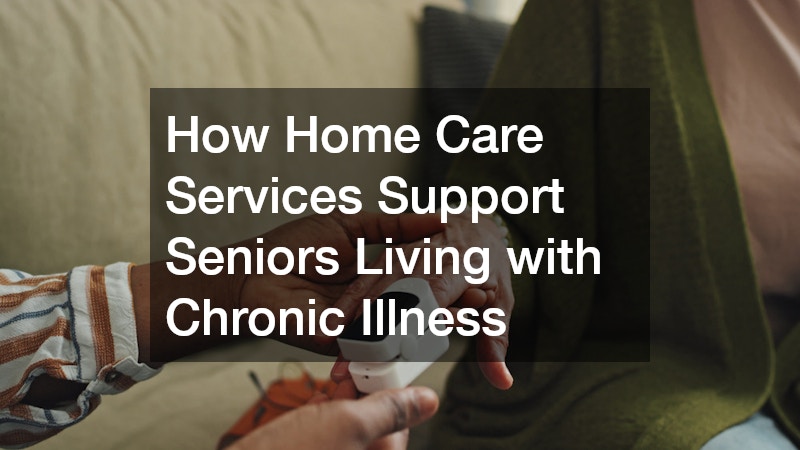
How Home Care Services Support Seniors Living with Chronic Illness
Caring for a loved one with a chronic illness can be both emotionally and physically demanding for families. Conditions such as heart disease, diabetes, arthritis, and Alzheimer’s often require ongoing care, monitoring, and lifestyle adjustments. While many families want to provide as much support as possible, balancing caregiving responsibilities with work, family life, and personal well-being can be challenging. This is where home care services play a vital role.
Professional caregivers provide personalized assistance that allows seniors to remain safe and comfortable in their own homes while receiving the support they need. From daily living assistance to health monitoring and emotional companionship, home care services help families ensure their loved ones maintain dignity, independence, and quality of life despite chronic health conditions.
Care for Ongoing Health Needs
Chronic illnesses often require consistent attention and specialized support. Unlike short-term medical issues, these conditions may last for years and demand regular monitoring, medication management, and lifestyle adjustments. Families may not always have the training or time needed to manage these responsibilities effectively.
This is where home care services provide valuable support. Caregivers work closely with families and healthcare providers to follow care plans tailored to each senior’s condition. They can assist with medication reminders, mobility support, meal preparation aligned with dietary restrictions, and monitoring symptoms that may indicate health changes.
For seniors with conditions like diabetes or heart disease, maintaining proper routines is essential. Caregivers help ensure medications are taken on schedule, meals meet nutritional guidelines, and daily activities support overall health. Having trained professionals in the home also gives families peace of mind that someone is paying close attention to their loved one’s well-being.
Additionally, personalized care means that services can adapt as a senior’s condition changes. Whether someone needs only a few hours of help per week or full-time support, home care services can adjust to meet evolving needs.
Independence and Daily Comfort
Many seniors living with chronic illness fear losing their independence. Moving into an assisted living facility or nursing home may feel overwhelming or unnecessary when they are still capable of participating in many aspects of daily life. Aging in place allows seniors to remain in familiar surroundings, which can significantly improve emotional well-being.
With the help of home care services, seniors can continue living at home while receiving assistance with everyday tasks that may have become difficult. Caregivers can help with activities such as bathing, dressing, grooming, meal preparation, light housekeeping, and transportation to medical appointments.
This support reduces the physical strain on seniors while allowing them to remain active participants in their daily routines. Rather than taking over tasks completely, caregivers often provide just the right level of assistance to encourage independence.
For example, a senior with arthritis may struggle with cooking or cleaning but still enjoy choosing meals or organizing household items. A caregiver can step in where needed while allowing the senior to remain engaged. By preserving independence, home care services help seniors maintain a sense of control and dignity in their lives.
Families also benefit from this support. Knowing that a trusted professional is assisting their loved one can relieve stress and reduce caregiver burnout.
Emotional Support and Companionship
Living with a chronic illness can sometimes lead to feelings of isolation, frustration, or depression. Physical limitations may prevent seniors from participating in social activities they once enjoyed, and family members may not always be available due to work or other responsibilities.
Companionship is an often overlooked but essential part of caregiving. Home health care services provide more than physical assistance—they also offer meaningful human connection. Caregivers spend time talking, sharing activities, and engaging seniors in hobbies or interests that promote mental stimulation.
Simple interactions such as conversation over a meal, playing a game, or taking a short walk can make a significant difference in a senior’s emotional health. Regular companionship can help reduce loneliness and encourage a more positive outlook on life.
Caregivers also provide reassurance and encouragement for seniors coping with the daily challenges of chronic illness. Having someone who understands their needs and provides consistent support can greatly improve overall quality of life.
For families, this emotional support is just as valuable as physical care. Knowing their loved one has someone to talk to and spend time with helps reduce worry and ensures seniors feel connected rather than isolated.
Supporting a senior with a chronic illness requires patience, time, and often specialized care. While families want to be there for their loved ones, managing every aspect of long-term care alone can be overwhelming. Professional caregiving offers a solution that balances medical needs, daily support, and emotional well-being.
Through personalized assistance, help with daily activities, and meaningful companionship, home care services allow seniors to remain in the comfort of their own homes while receiving the care they need. This approach not only promotes independence but also enhances safety, stability, and overall quality of life.
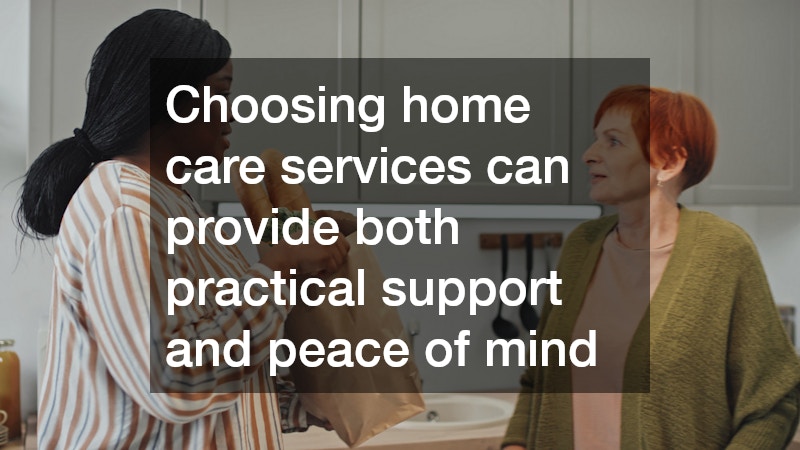
For families navigating the challenges of chronic illness, choosing home care services can provide both practical support and peace of mind. With the right care in place, seniors can continue living fulfilling lives while families feel confident that their loved ones are safe, supported, and cared for every day.