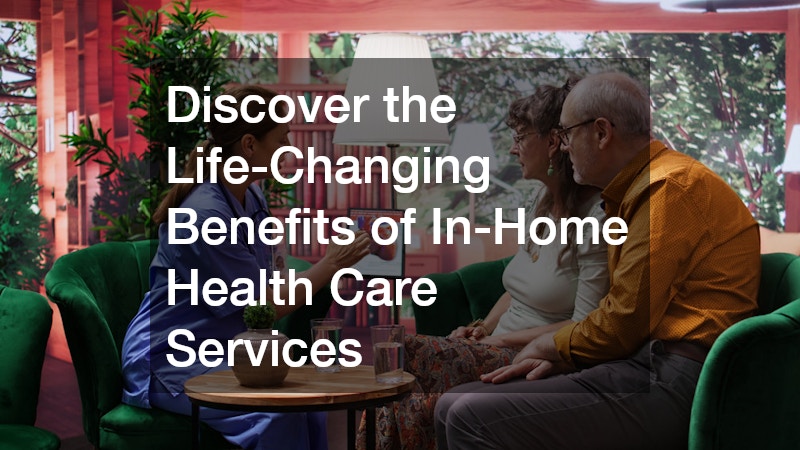
Discover the Life-Changing Benefits of In-Home Health Care Services
Caring for a loved one with medical needs can be overwhelming, especially when trying to balance their comfort, safety, and emotional well-being. Families often face difficult decisions about whether to manage care at home or rely on a medical facility. This is where in home health care services can make a transformative difference. By bringing professional medical support into the familiar environment of home, these services allow patients to receive high-quality care while remaining surrounded by family, memories, and the comforts of their own space.
For families, this means less stress, greater peace of mind, and a more meaningful quality of life for their loved ones. Additionally, in-home health care can be personalized to meet the unique needs of each patient, ensuring that care plans are both flexible and responsive.
Personalized Care in the Comfort of Home
One of the most powerful benefits of in home health care services is the ability to provide truly personalized care. Unlike institutional settings, home health care allows caregivers to focus entirely on one patient at a time, creating a care plan tailored to individual needs. This can include everything from daily medication management to assistance with bathing, mobility, and nutrition.
Personalized care also ensures that caregivers can monitor subtle changes in a patient’s condition more closely. For example, noticing a change in appetite or mobility early can prevent complications and reduce the risk of hospitalization. Families often find comfort knowing that their loved ones are not only receiving professional care but are also being treated as unique individuals rather than as one of many patients in a facility.
In addition, personalized care helps maintain routines that patients are comfortable with. From meal preferences to sleep schedules, in-home health care services can adapt to the patient’s lifestyle, reducing stress and fostering a sense of independence and dignity.
Emotional and Social Benefits
Beyond physical care, in home health care services offer emotional and social support that is often missing in traditional care settings. Remaining at home allows patients to stay connected with family, friends, and their familiar surroundings, which can significantly improve mental health. Loneliness and isolation, common issues for seniors and patients with chronic illnesses, are minimized when care is integrated into the home environment.
Caregivers providing in-home services often serve as both medical professionals and companions. They engage patients in conversation, recreational activities, and gentle exercises, promoting cognitive function and emotional well-being. Families also benefit emotionally because they can participate in care without feeling overwhelmed or unprepared. Observing a loved one thrive at home can alleviate guilt and anxiety that families sometimes experience when considering institutional care.
Furthermore, inhome health care services can be scheduled flexibly, allowing family members to remain involved without disrupting work, school, or other commitments. This ensures that care is continuous yet adaptable to the family’s lifestyle, creating a supportive environment that prioritizes both the patient and the caregivers’ needs.
Cost-Effective and Practical Solutions
Many families assume that in-home care is more expensive than facility-based care, but in many cases, in home health care services can be more cost-effective. By reducing hospital stays, preventing emergency visits, and tailoring services to what is truly needed, home care often saves money in the long term. Families can choose the level of care required, whether it’s full-time nursing, part-time assistance, or specialized therapy sessions, ensuring that resources are used efficiently.
Practical benefits also extend to logistics and convenience. Patients do not need to be transported to appointments or facilities, which can be both stressful and physically demanding. Home care allows patients to receive therapies, medical evaluations, and routine monitoring without leaving their home, saving time and reducing exposure to illness or injury.
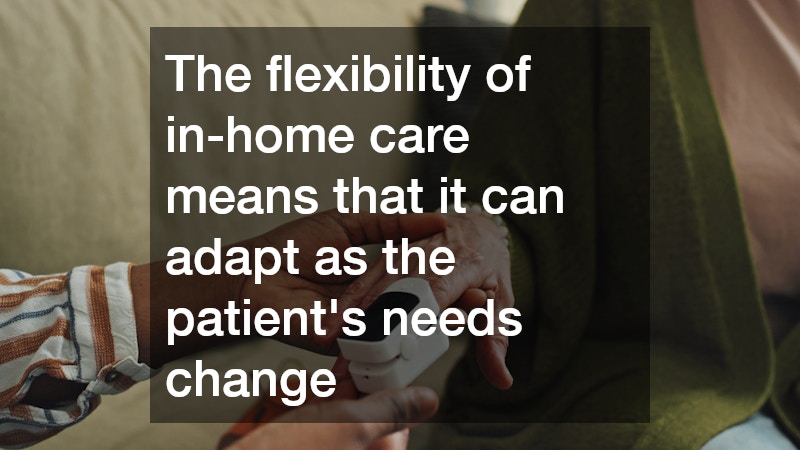
Additionally, the flexibility of in-home care means that it can adapt as the patient’s needs change. Families can adjust the frequency of visits, add specialized services, or scale back when recovery improves. This dynamic approach allows families to manage care in a way that is both realistic and sustainable.
Choosing the right care for a loved one is a decision filled with emotional and practical considerations. In home health care services provide a compelling option that combines professional medical support with the comfort and familiarity of home. With personalized care plans, emotional and social support, and practical advantages like cost-effectiveness and flexibility, these services empower families to maintain the well-being and dignity of their loved ones while alleviating stress and worry.
For families navigating the challenges of caregiving, embracing in home health care services can truly be life-changing. It is a solution that honors the patient’s independence, strengthens family bonds, and ensures that care is delivered with compassion and professionalism—all in the place that matters most: home.
By choosing in-home care, families are not only investing in medical support but also in quality of life, emotional connection, and peace of mind—benefits that extend far beyond the basics of health management.