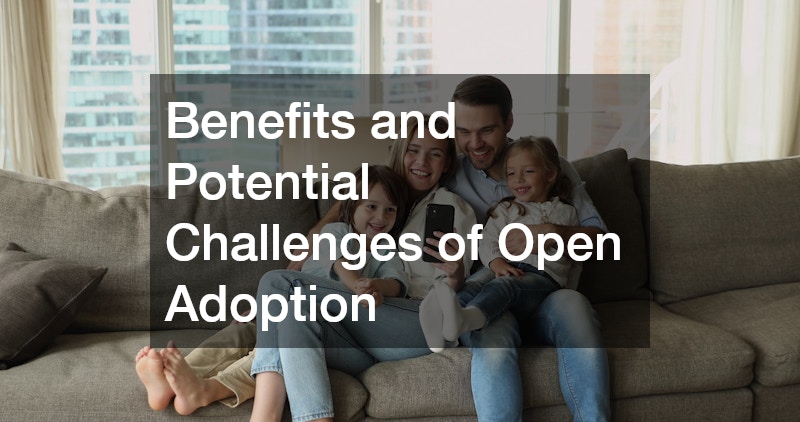
Benefits and Potential Challenges of Open Adoption
Open adoption is an arrangement in which adoptive families and biological parents maintain some level of direct communication, ranging from occasional updates to ongoing relationships. This structure has reshaped modern adoption practices by prioritizing transparency and connection. While open adoption can strengthen identity formation and emotional well-being for the child, it also introduces relational and logistical complexities that require careful navigation.
Understanding both the advantages and challenges of open adoption helps families make informed, balanced decisions that prioritize the child’s long-term stability.
What Are the Benefits of Open Adoption?
One of the most significant advantages of open adoption is the opportunity for adoptees to maintain a relationship with their biological family. This continuity of contact can support a stronger sense of identity, helping children understand their origins in a more complete and grounded way. Rather than relying solely on narratives constructed by others, adoptees can access firsthand insights into their heritage. In many cases, open adoption allows children to ask questions directly and receive honest responses over time. This can reduce confusion or feelings of abandonment that may arise in closed adoption arrangements. When handled thoughtfully, open adoption can create a framework where the child feels connected to both families without being forced to choose between them.
Another key benefit of open adoption is improved access to medical history. Biological relatives can provide valuable information about genetic conditions, hereditary risks, and long-term health considerations. This information is often incomplete or unavailable in closed adoption scenarios, potentially limiting proactive healthcare planning. With open adoption, adoptive parents can make more informed decisions regarding screenings, preventive care, and lifestyle considerations. Over time, this transparency can play a critical role in supporting the child’s physical well-being and reducing uncertainty around inherited health risks. In this sense, open adoption becomes not just an emotional bridge, but also a practical health resource.
Open adoption can also create an expanded support network for adoptive families. When communication is respectful and consistent, biological parents may serve as an additional source of encouragement, reassurance, and cultural continuity. This collaborative dynamic can reduce stress for adoptive parents, especially during the early stages of adjustment. Rather than functioning in isolation, families engaged in open adoption often report a greater sense of shared responsibility. This can lead to more balanced decision-making and a deeper understanding of the child’s evolving emotional needs. When structured well, open adoption can strengthen all parties involved through mutual respect and cooperation.
What Challenges Might Families Face in Open Adoptions?
Despite its benefits, open adoption requires clear and consistent boundaries, which can be difficult to establish and maintain. Families must define the level of contact, communication frequency, and decision-making roles from the outset. Without these guidelines, misunderstandings can quickly emerge. Boundary issues may also evolve over time as relationships shift. What feels appropriate in the early years of open adoption may need adjustment as the child grows older or as circumstances change. Maintaining clarity while remaining adaptable is often one of the most delicate aspects of managing open adoption successfully.
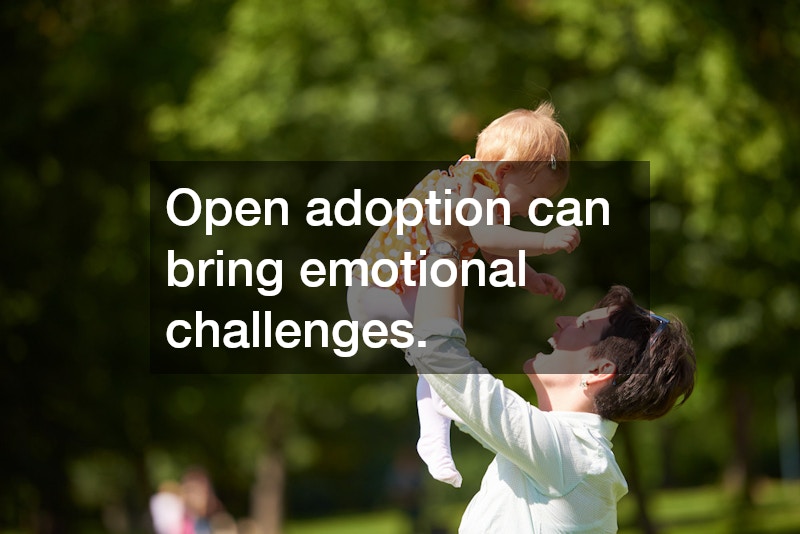
Open adoption can bring emotional challenges for all parties involved. Biological parents may experience ongoing grief or uncertainty about their role, while adoptive parents may feel vulnerable about sharing emotional space with another family. These dynamics can sometimes lead to insecurity or perceived competition. For the child, navigating dual relationships can also be complex. They may struggle to understand identity boundaries or feel pressure to balance emotional loyalty between families. In well-managed open adoption arrangements, these challenges are acknowledged openly and addressed through communication and support systems.
Another common issue in open adoption is inconsistent communication. Differences in expectations, life circumstances, or emotional readiness can lead to irregular contact patterns. This inconsistency may create confusion or disappointment, particularly for the child as they grow older. When communication becomes sporadic, misunderstandings can arise, sometimes causing tension between families. Establishing realistic expectations early and revisiting them periodically is essential to maintaining stability in open adoption relationships.
How Can Open Adoption Agreements Be Made Effective?
A strong foundation for successful open adoption often begins with detailed legal agreements. These documents outline the scope of contact, communication methods, and expectations for all parties. While not all agreements are legally enforceable in every jurisdiction, they serve as important reference points that guide behavior and reduce ambiguity. Clear agreements help ensure that everyone involved in open adoption understands their roles. This clarity can prevent conflict and provide a structured framework that supports long-term cooperation.
Ongoing counseling can play a vital role in sustaining healthy open adoption relationships. Professional guidance helps families process emotions, navigate conflicts, and adjust expectations as needed. Therapy or support groups can also normalize the complexity of these relationships, reducing feelings of isolation. In many cases, counseling provides a neutral space where both adoptive and biological families can communicate more effectively. This support can be especially valuable during transitions or periods of heightened emotional stress.
Flexibility is essential in open adoption because relationships naturally evolve over time. What works during infancy may not be appropriate during adolescence or adulthood. Families who approach open adoption with adaptability are better equipped to handle these shifts without conflict. Revisiting agreements and adjusting expectations ensures that relationships remain healthy and relevant. This willingness to adapt helps sustain trust and encourages long-term stability for the child’s benefit.
Open adoption represents a unique approach to building family connections that emphasizes transparency, communication, and shared involvement. While it offers meaningful benefits such as identity support, medical insight, and extended family collaboration, it also introduces challenges related to boundaries, emotions, and communication consistency. By addressing these complexities proactively, families can create a stable and nurturing environment. Ultimately, open adoption works best when guided by clarity, empathy, and a willingness to evolve alongside the needs of the child and both families involved.