Scheduling Regular Home Check-Ups and Maintenance
Maintaining a home requires continuous attention and care to ensure every system functions safely and efficiently. Many homeowners only address structural or mechanical issues after a major failure occurs, which often results in costly emergency repairs and unexpected stress. By establishing a routine preventive care strategy, you can identify minor wear and tear before it escalates into severe damage. Routine evaluations keep your living environment comfortable, protect your financial investment, and prolong the lifespan of vital appliances and underlying infrastructure.
A proactive approach to household management involves understanding how different components interact over time. Systems like heating, cooling, plumbing, and drainage work continuously to maintain comfort and safety. Neglecting one component can create a ripple effect, leading to secondary issues such as elevated utility bills, poor indoor air quality, or hidden structural decay. Establishing a structured schedule ensures that critical tasks are performed at optimal intervals throughout the year, keeping your living space in peak condition.
Seasonal Heating and Cooling Operations
Optimizing Air Conditioning Performance Before Summer
Preparing your cooling system prior to the hottest months of the year ensures reliable operation when demand is highest. Standard maintenance routines involve cleaning dirty coils, inspecting refrigerant lines for leaks, verifying thermostat accuracy, and replacing clogged air filters. Scheduling professional AC tune-ups every spring helps restore cooling efficiency, reduce energy consumption, and prevent unexpected breakdowns during heatwaves. Consistent care also protects the compressor from excessive strain, significantly extending the operational life of the entire system.
In addition to professional servicing, simple monthly checks help maintain steady airflow throughout your house. Ensuring that supply and return vents remain unobstructed by furniture or drapes allows air to circulate freely. Clearing debris, leaves, and dirt from around the outdoor condenser unit prevents restricted airflow and overheating. Regular attention to these basic elements reduces overall wear on the mechanical components and supports a comfortable indoor climate year-round.
Preserving Overall System Longevity with Preventive Care
Cooling systems rely on an intricate balance of mechanical and electrical components to control indoor temperatures. Scheduling comprehensive ac maintenance at least once a year provides a deep assessment of electrical connections, blower motors, and drain lines. Technicians can identify worn belts, faulty capacitors, or failing bearings before they lead to complete system failure. Addressing these small operational flaws early ensures smooth performance and helps keep monthly energy bills low.
Over time, condensate drain pans and lines can collect algae and debris, leading to water backups that cause interior moisture damage. Regularly flushing the drain line with a vinegar solution or having a professional inspect the trap prevents costly overflows. Furthermore, maintaining proper refrigerant charges prevents the cooling coil from freezing over, which could otherwise damage the compressor and disrupt your home’s thermal comfort.
Restoring Airflow Quality in Household Ventilation Works
The ductwork in your home serves as the primary pathway for conditioned air, distributing warm or cool air to every room. Over time, dust, pollen, pet dander, and other airborne particulates accumulate within these passages, restricting airflow and reducing system efficiency. Hiring professional duct cleaners removes built-up contaminants, improving overall indoor air quality and helping your heating and cooling equipment operate without unnecessary strain. Clean ductwork also minimizes the amount of dust settling on household surfaces, creating a fresher living environment.
Beyond dust removal, inspecting the ventilation network for leaks, loose connections, or damaged insulation is essential. Unsealed duct joints allow conditioned air to escape into attics, basements, or wall cavities, leading to significant energy loss. Sealing these gaps with foil tape or mastic sealant ensures that air reaches its intended destination, balancing room temperatures and reducing workload on the central HVAC blower.
Managing Essential Water and Waste Infrastructure

Protecting Household Plumbing and Appliance Networks
Every home depends on a complex web of pipes, valves, fixtures, and drainage channels to deliver fresh water and remove waste. Performing regular plumbing maintenance helps prevent hidden leaks, water pressure fluctuations, and pipe corrosion from damaging your property. Inspecting exposed pipes under sinks, checking supply lines attached to washing machines, and testing shut-off valves ensure that minor leaks are discovered and repaired before they cause widespread water damage or mold growth.
Water heaters also require periodic attention to maintain efficiency and safety. Flushing the tank annually removes mineral sediment that builds up at the bottom, which can reduce heating efficiency and cause premature tank failure. Checking the pressure relief valve and inspecting the anode rod for corrosion helps prolong the heater’s lifespan, ensuring a reliable supply of hot water for your daily household needs.
Sustaining Private Water Supply Integrity and Pressure
Homes that rely on private wells require specialized oversight to guarantee water safety and system reliability. Consistent water well maintenance includes inspecting the pressure tank, testing the pump controls, and checking electrical connections for signs of wear. Periodically testing the raw water for bacteria, nitrates, and mineral content ensures that your supply remains safe for drinking, cooking, and bathing. Taking care of these primary components prevents sudden pressure drops or unexpected outages.
Protecting the area around the wellhead is equally important for preserving water quality. Ensuring that the surface ground slopes away from the well casing prevents contaminated surface runoff from seeping down into the underground aquifer. Inspecting the sanitary seal and insect screen on the well cap keeps pests, debris, and surface water out of the supply, safeguarding your family’s health and maintaining consistent system performance.
Controlling Exterior Runoff and Site Drainage
Managing stormwater around your property is critical for preventing foundation damage, soil erosion, and basement flooding. Arranging for local stormwater inspections ensures that catch basins, drainage ditches, and retention areas function correctly during heavy rainfall events. Inspecting culverts and outlets for blockages ensures that heavy water volume flows safely away from your home’s foundation and neighbouring properties, adhering to municipal drainage standards.
Homeowners should also maintain their private drainage features, such as gutters, downspouts, and French drains. Clearing leaves and organic debris from gutters prevents water from overflowing onto siding or pooling around the foundation. Extending downspouts at least five feet away from the home directs runoff toward safe drainage areas, protecting the structural integrity of your foundation walls and preventing interior dampness.
Fire Prevention and Emergency Safety Measures

Verifying Life Safety Systems and Alarm Operation
Smoke detectors and heat sensors serve as the first line of defense against structural fires, providing early warnings that save lives and property. Conducting a formal fire alarm inspection every year ensures that sensors remain sensitive to environmental changes, backup batteries retain power, and notification horns function properly. Testing both hardwired and battery-operated units helps confirm that all detectors interconnect correctly, sounding an alert throughout the entire residence if smoke is detected in any single zone.
In addition to annual professional reviews, homeowners should perform monthly manual tests using the built-in test buttons on each unit. Gently dusting or vacuuming around detector covers removes accumulated debris that could trigger false alarms or block smoke from reaching the internal sensor. Replacing batteries on a fixed schedule, such as every spring or fall, guarantees uninterrupted protection and peace of mind for your household.
Maintaining Active Fire Suppression Equipment
Homes equipped with residential sprinkler systems or portable fire extinguishers require routine checks to ensure instant readiness in an emergency. Comprehensive fire system maintenance involves inspecting control valves, checking system pressure gauges, and verifying that sprinkler heads remain free from paint, dust, or physical obstructions. Servicing these systems ensures that water pressure is adequate and that control mechanisms trigger automatically during a fire event.
Portable fire extinguishers should be inspected monthly to verify that the pressure gauge reads in the operable green zone and that safety seals remain intact. Extinguishers should be mounted in easily accessible locations near high-risk areas, such as the kitchen, garage, and workshop. Periodically shaking dry-chemical extinguishers prevents the extinguishing agent from settling and compacting at the bottom of the canister over time.
Mitigating Hazards in Wood-Burning Appliances
Fireplaces and wood-burning stoves offer efficient supplemental heat and atmosphere, but they require strict maintenance to prevent dangerous creosote accumulation. Arranging a professional chimney inspection before the winter heating season helps detect structural cracks in the flue liner, damaged masonry, or excessive creosote deposits. Clearing these hazards eliminates the primary fuel source for dangerous chimney fires, protecting your home’s roof and attic structure.
A thorough assessment also ensures that the chimney cap and spark arrestor remain intact, preventing rain, leaves, and nesting animals from blocking the flue. Proper ventilation is vital for preventing carbon monoxide and smoke from backing up into living spaces during operation. Maintaining clean flues and properly functioning dampers allows fires to burn cleanly and safely throughout the coldest months of the year.
Environmental Quality and Structural Protections
Identifying Hidden Environmental Moisture and Spores
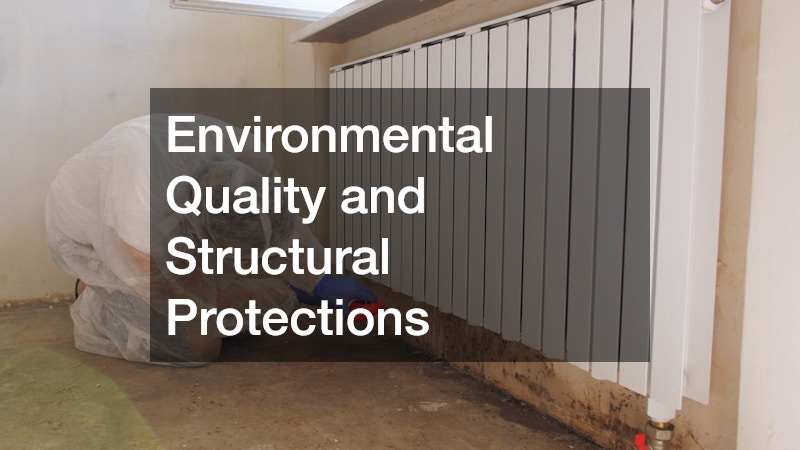
Excess indoor humidity, roof leaks, or hidden plumbing drips create ideal conditions for organic growth within walls, floors, and attics. Professional mold testing helps identify elevated spore counts and hidden colonies before they compromise indoor air quality or cause structural wood decay. Sampling the air and surface materials provides clear data on moisture levels, allowing you to address the root cause of dampness and remediate impacted areas effectively.
Controlling interior moisture levels requires consistent daily management alongside professional inspections. Running exhaust fans in bathrooms and kitchens removes excess humidity directly at the source, preventing condensation on walls and windows. Keeping indoor humidity levels between thirty and fifty percent using dehumidifiers or air conditioning prevents mold spores from establishing new growth on drywall, carpeting, and wooden framing members.
Protecting Structural Wood and Foundations
The structural framework of your home relies on durable timber, concrete, and masonry that must withstand continuous environmental stress. Periodically inspecting exposed wooden elements, such as porch decks, structural beams, and roof trusses, helps catch wood-rot or insect infestations early. Applying protective sealants or paints to exterior wood surfaces shields them from rain, ultraviolet radiation, and freezing temperatures, preserving their strength and appearance.
Foundation walls require regular checks for settlement cracks, spalling masonry, or signs of water intrusion. Minor hairline cracks in concrete can be sealed with masonry caulk to prevent water from entering and freezing during winter. Ensuring that surrounding soil remains properly sloped away from the foundation keeps groundwater from exerting hydrostatic pressure against basement walls, keeping your lower levels dry and structurally sound.
Developing a Master Home Maintenance Schedule
Organizing Tasks into Manageable Timeframes
Managing home care efficiently requires breaking down maintenance responsibilities into logical intervals: monthly, seasonal, and annual. Monthly tasks should focus on basic safety checks, such as testing smoke detectors, changing air filters, and clearing simple drains. Seasonal chores typically involve outdoor care, such as cleaning gutters in the fall, servicing cooling equipment in the spring, and insulating exposed pipes before winter. Annual tasks focus on deep structural reviews, specialized equipment checks, and professional safety evaluations.
Creating a master calendar—whether digital or paper-based—helps track completed tasks and incoming deadlines. Documenting serial numbers, equipment installation dates, and service records provides a comprehensive history of your property. This record is invaluable when troubleshooting recurring issues, making warranty claims, or demonstrating diligent care to potential buyers if you decide to sell your home.
Partnering with Qualified Service Professionals
While many routine checks can be performed by handy homeowners, specialized tasks require the expertise and equipment of certified technicians. Establishing relationships with reputable, licensed contractors ensures that complex evaluations—such as high-voltage electrical reviews, gas line checks, and structural assessments—are completed safely and accurately. Professional service providers can also spot subtle warning signs that untrained eyes might easily overlook.
When hiring contractors, always verify their licensing, insurance coverage, and customer references. Requesting itemized service reports after every inspection ensures you have a clear understanding of your home’s current condition and any recommended future repairs. Collaborating with trusted experts creates a comprehensive maintenance network that keeps your living space safe, efficient, and comfortable for years to come.
The Long-Term Benefits of Routine Care
Investing time and resources into consistent household maintenance yields significant long-term rewards for homeowners. Regular attention to mechanical systems, structural integrity, and safety equipment prevents costly emergency repairs, reduces monthly utility expenses, and maintains high indoor air quality. Beyond the financial advantages, knowing that your home is safe, secure, and fully operational provides invaluable peace of mind.
A well-maintained home retains its market value better and offers a healthier, more comfortable environment for your family. By following a structured care routine and partnering with qualified professionals for specialized tasks, you safeguard your most significant physical and financial asset. Taking small, consistent steps today ensures that your property remains a safe, welcoming, and resilient haven for many years to come.